
THE LIVING COLLECTION / SPECIES DOSSIER
Phalaenopsis Orchid
Phalaenopsis spp.
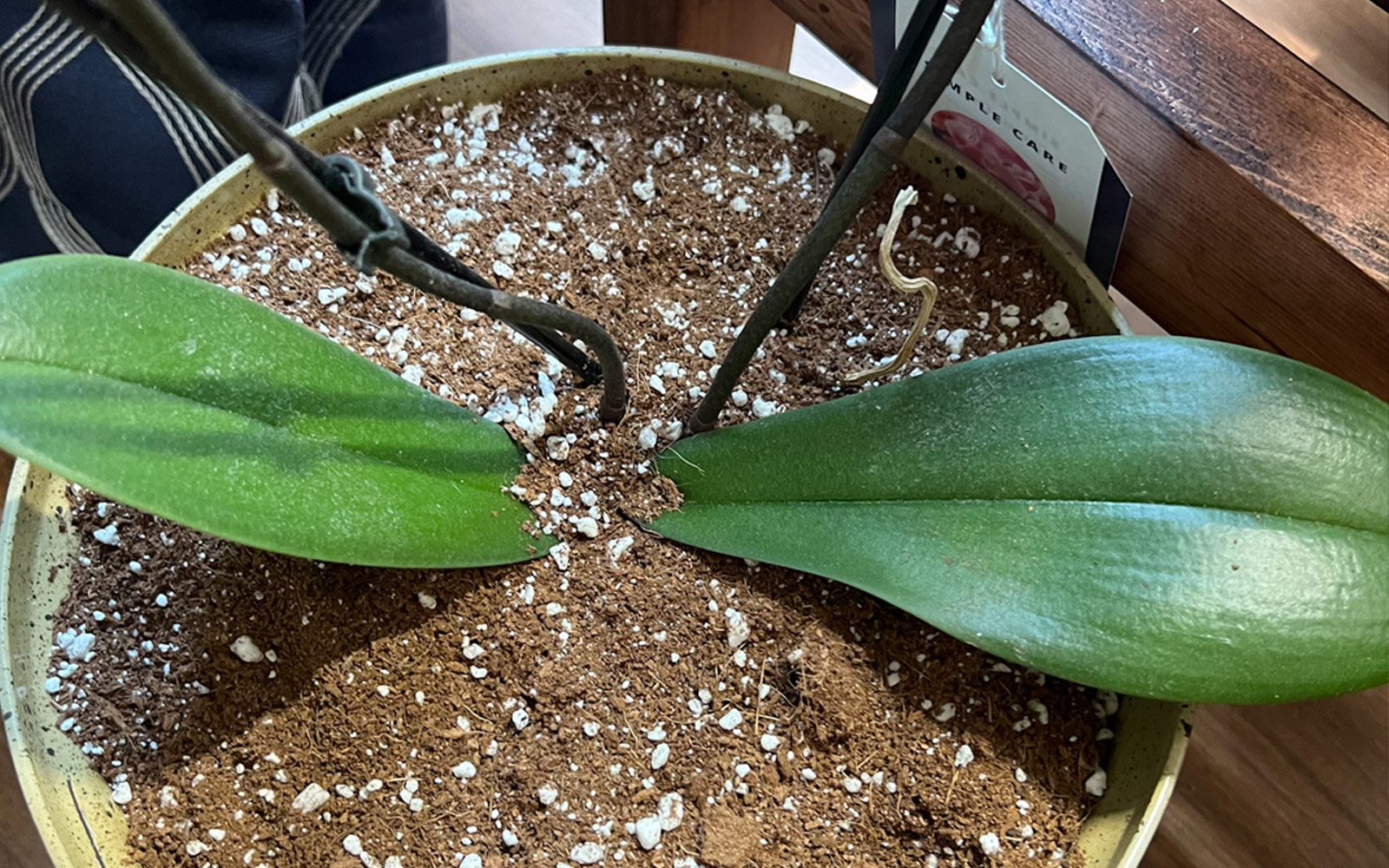
A closer look at the Phalaenopsis Orchid growing in DC’s Indoor FlatScape. Explore its epiphytic growth habit, specialized root system, flowering cycle, propagation, and the observations that come from growing it as part of a real living collection.
BOTANICAL RECORD
Species Record
Botanical name: Phalaenopsis spp.
Common name: Moth Orchid / Phalaenopsis Orchid
Family: Orchidaceae
Native range: Tropical and subtropical regions of Southeast Asia, New Guinea, and surrounding areas
Growth habit: Monopodial epiphytic orchid
Growth characteristics: Broad leaves grow from a central crown while thick aerial roots absorb moisture and oxygen. Flower spikes emerge from the stem and can carry long-lasting blooms under suitable conditions.
Collection status: Growing in DC’s Indoor FlatScape.
FROM DC’S COLLECTION
Specimen Notes
This record follows the Phalaenopsis Orchid growing in DC’s Indoor FlatScape. General care information describes the genus, while the observations below document what happens with this particular plant.
What DC Is Learning
Orchids do not behave like ordinary soil-grown houseplants. Their thick roots need both moisture and air, and the condition of those roots often tells more about the plant than the surface of the pot.
Current observations: To be updated from the next documented orchid check.
Record status: Living record. Care decisions and observations may change as the plant grows.
GROWING CONDITIONS
Care & Environment
Light
Phalaenopsis orchids generally perform well in bright, indirect light. Too little light can reduce flowering, while strong direct sun can scorch the leaves. Observe leaf color, growth, and flowering response when adjusting placement.
Temperature & Humidity
Warm indoor temperatures are generally suitable. Moderate humidity can support healthy growth, but good air movement remains important. Avoid cold drafts and prolonged exposure to low temperatures.
Growth Habit
Phalaenopsis is a monopodial orchid, meaning it grows upward from a central stem rather than spreading through pseudobulbs. New leaves emerge from the crown while older leaves remain below them.
Aerial Roots
Thick aerial roots are normal. They can absorb moisture and oxygen from the surrounding environment and should not automatically be buried or removed.
ROOT-ZONE CARE
Water & Nutrition
Watering
Water thoroughly when the growing medium approaches dryness, then allow excess water to drain. Avoid leaving the root zone constantly saturated. The drying rate depends on container type, medium, temperature, humidity, and light.
Root-Zone Medium
Use an open orchid medium such as bark, sphagnum moss, or a suitable combination that allows both moisture retention and strong airflow around the roots. Ordinary dense potting soil is generally inappropriate for epiphytic Phalaenopsis roots.
Nutrition
Use a balanced orchid or houseplant fertilizer at an appropriate dilution during active growth. Fertilizer should supplement healthy light, water, and root-zone conditions rather than compensate for poor growing conditions.
Container & Drainage
Clear or slotted orchid pots can make it easier to observe root condition and provide additional airflow. Whatever container is used, drainage should be reliable and standing water around the roots should be avoided.
PROPAGATION
Growing New Plants
Phalaenopsis orchids are not commonly propagated from ordinary stem or leaf cuttings. Home propagation usually depends on naturally produced plantlets called keikis.
Keikis
A keiki may develop along a flower spike or near the base of the plant. Allow it to develop several healthy roots before considering separation from the parent plant.
Separation
When a keiki has developed a useful root system, it can be carefully removed with a clean tool and placed into an appropriately sized orchid container with a suitable airy medium.
Seed
Seed propagation is considerably more complex than ordinary houseplant seed propagation. Orchid seeds are extremely small and generally require specialized sterile techniques to germinate successfully.
After Propagation
Keep young plants warm, evenly hydrated, and in bright indirect light while the new root system establishes. Avoid overpotting and prolonged saturation.
OBSERVATION & TROUBLESHOOTING
What to Watch For
Soft or Brown Roots
Healthy Phalaenopsis roots are typically firm. Soft, dark, or collapsing roots can indicate root damage or prolonged saturation. Review watering frequency, drainage, and the condition of the growing medium.
Wrinkled or Limp Leaves
Loss of leaf firmness can be associated with dehydration, damaged roots, or other stress. Check the root system before assuming the plant simply needs more water.
Yellowing Leaves
The oldest lower leaves may naturally yellow and decline. Widespread yellowing should prompt a review of light, roots, watering, temperature, and recent changes.
Bud Blast
Developing buds may dry and drop after sudden environmental changes. Temperature shifts, drafts, water stress, or other disturbances can contribute.
Crown Problems
Avoid allowing water to remain trapped in the central crown for long periods. Persistent moisture in the crown can increase the risk of tissue damage.
Pest Inspection
Inspect leaves, flower spikes, roots, and growing points for scale, mealybugs, mites, or other pests. Identify the problem before choosing a treatment.
THE LIVING RECORD
DC’s Field Record
This record follows the actual Phalaenopsis Orchid growing in DC’s Indoor FlatScape. It will document root development, new leaves, flowering, spike growth, repotting, environmental changes, and the lessons that come from observing the plant over time.
Current Specimen
Collection: DC’s Indoor FlatScape
Identification: Phalaenopsis spp.
Root-zone approach: Specialized airy orchid medium
Current measurements: Not yet entered.
Latest observation: To be updated from the next documented orchid check.
What DC Is Learning
This space will record what the plant actually does: new roots, leaf development, flower spikes, blooming cycles, repotting response, and changes in water or light. Observations will be dated so they remain useful as the plant changes.
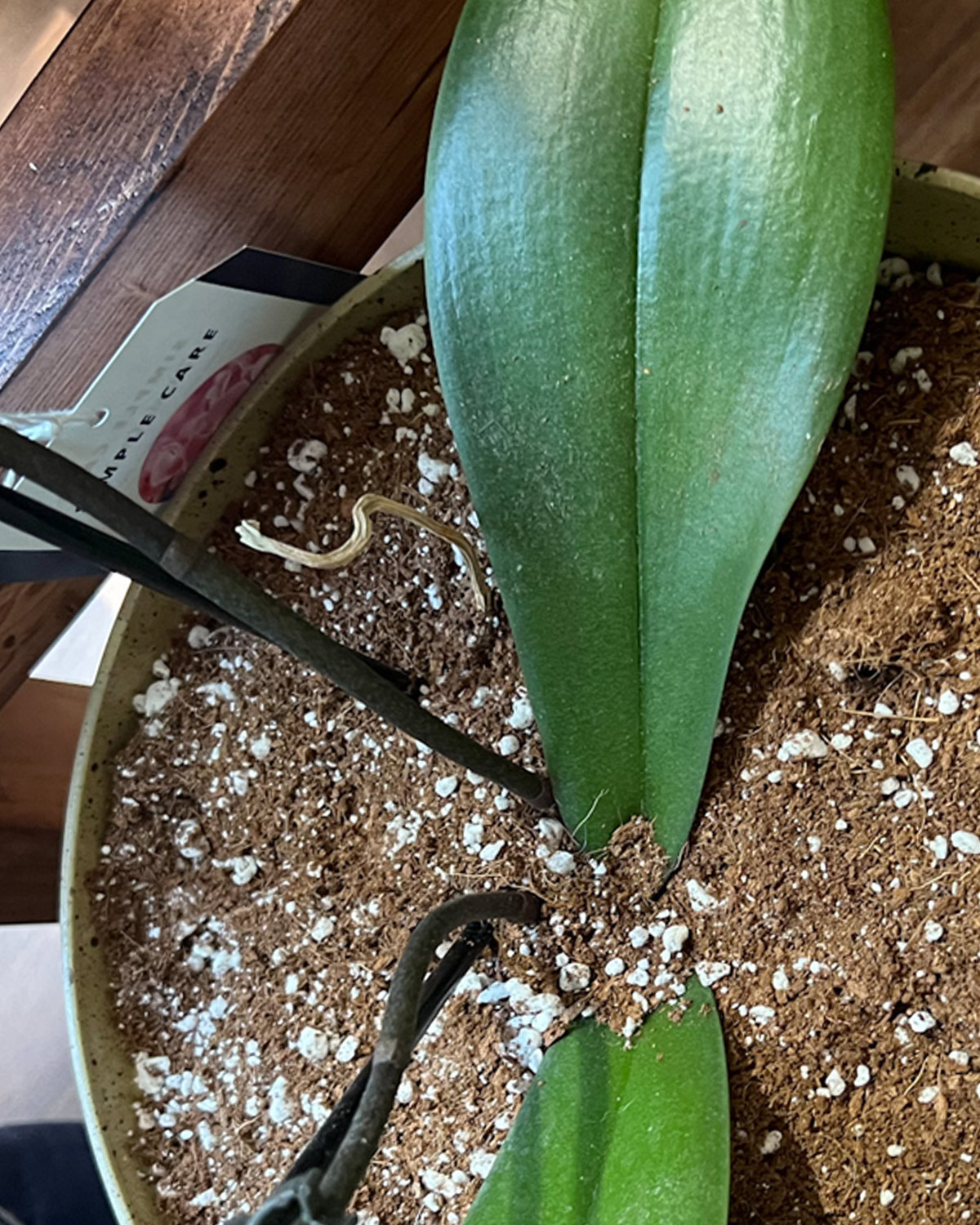
Field photograph · DC’s Indoor FlatScape
Additional photographs and dated observations will be added as the specimen develops.
THE REFERENCE LIBRARY
Keep the Field Guide
The website dossier is the living reference. The downloadable edition will bring the care information together with expanded procedures, repotting guidance, flowering observations, propagation notes, troubleshooting references, and space for personal notes.
Phalaenopsis Orchid Care Guide: Edition in preparation.
As the collection grows, this dossier will continue to be updated with new photographs, observations, and related field notes.