
THE LIVING COLLECTION / SPECIES DOSSIER
Whale Fin Snake Plant
Dracaena masoniana
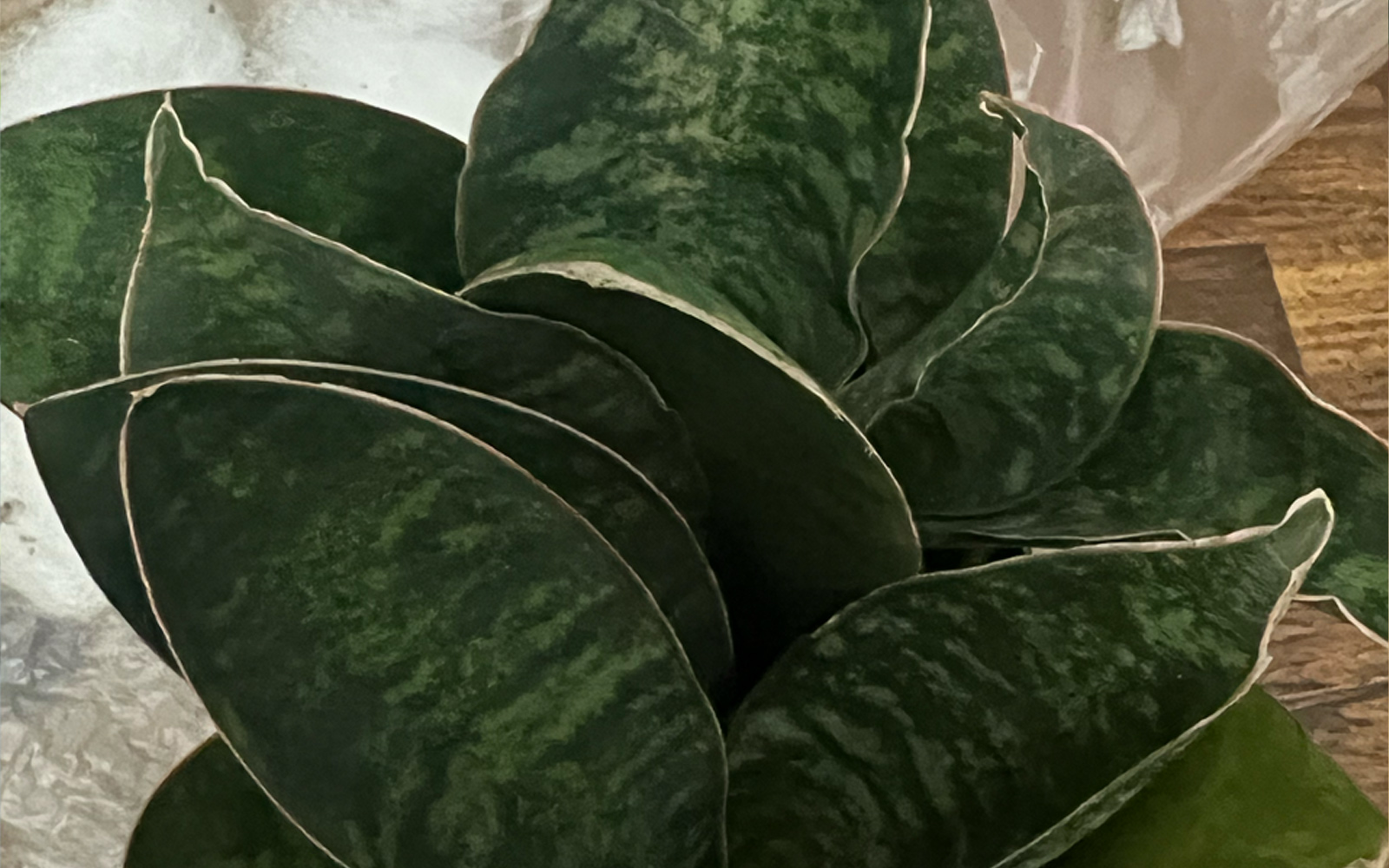
A closer look at the Whale Fin Snake Plant growing in DC’s Indoor FlatScape. Explore its massive paddle-shaped foliage, drought-tolerant root zone, rhizomatous growth, propagation, and the observations that come from growing it as part of a real living collection.
BOTANICAL RECORD
Species Record
Botanical identification: Dracaena masoniana
Former botanical name: Sansevieria masoniana
Common name: Whale Fin Snake Plant
Family: Asparagaceae
Native range: Central Africa
Growth habit: Rhizomatous succulent perennial
Growth characteristics: Large, thick, paddle-shaped leaves rise individually or in small groups from underground rhizomes. Mature leaves can become broad and substantial, creating the distinctive whale-fin silhouette that gives the plant its common name.
Collection status: Growing in DC’s Indoor FlatScape.
FROM DC’S COLLECTION
Specimen Notes
This record follows the Whale Fin Snake Plants growing in DC’s Indoor FlatScape. General care information describes the species, while the observations below document what happens with DC’s actual plants.
What DC Is Learning
The Whale Fin makes underground growth impossible to ignore. What appears above the substrate as one massive leaf is connected to a rhizome system capable of producing additional growth and eventually creating new independent specimens.
Current collection status: Two Whale Fin Snake Plant pots following division.
Current observations: To be updated from the next documented Whale Fin check.
Record status: Living record. Care decisions and observations may change as the plants grow.
GROWING CONDITIONS
Care & Environment
Light
Whale Fin Snake Plants can tolerate moderate indoor light, but brighter indirect light generally supports stronger growth and more active rhizome development. Plants maintained in very low light may grow extremely slowly.
Temperature & Humidity
Warm indoor temperatures are generally suitable. Protect the plant from prolonged cold, cold drafts, and chilled wet substrate. Average household humidity is usually adequate.
Growth Habit
New growth develops from underground rhizomes and may emerge some distance from the existing leaf. A new shoot does not necessarily appear directly beside the parent leaf.
Leaf Development
Whale Fin leaves are thick and slow to develop. Size, firmness, coloration, and new shoot production can be more useful indicators of long-term progress than expecting rapid visible growth.
ROOT-ZONE CARE
Water & Nutrition
Watering
Allow the root zone to dry substantially between waterings. Water thoroughly when needed, then allow excess water to drain completely. Whale Fin Snake Plants tolerate dryness better than prolonged saturation.
Substrate
Use a fast-draining, aerated dryland or succulent-style medium that does not remain wet for extended periods. Mineral components and coarse structure can help preserve oxygen around the roots and rhizomes.
Nutrition
Feed lightly during active growth with an appropriate balanced fertilizer. The plant is naturally slow-growing and does not require aggressive feeding.
Container & Drainage
Use a container with reliable drainage. Because the plant expands through firm underground rhizomes, monitor the relationship between the developing rhizome system and the container as new growth appears.
PROPAGATION
Growing New Plants
Whale Fin Snake Plants can be propagated through division, rhizome separation, or leaf cuttings.
Division
When an established plant produces separate growth connected by underground rhizomes, rooted sections can be divided during repotting and grown as independent plants.
Rhizome Separation
If a connecting rhizome must be cut, use a clean tool and preserve as much healthy root tissue as possible with each division.
Leaf Cuttings
Healthy leaf sections can also be propagated, although this method generally takes considerably longer than dividing an established rhizome system.
After Division
Place divisions into appropriately sized containers with a fast-draining medium. Avoid heavy watering immediately after major root or rhizome disturbance and allow damaged tissue time to recover.
OBSERVATION & TROUBLESHOOTING
What to Watch For
Soft or Mushy Tissue
Soft tissue can be associated with prolonged excess moisture, cold damage, or root and rhizome decline. Inspect the root zone before adding more water.
Yellowing
Yellowing may be associated with excess moisture, root stress, temperature problems, normal aging, or other environmental changes. Review recent conditions before changing several variables at once.
Wrinkling
Wrinkled foliage can develop during extended dryness, but damaged roots can create a similar appearance by preventing water uptake. Check both substrate moisture and root condition.
Very Slow Growth
Whale Fin Snake Plants are naturally slow-growing. Limited light, cool conditions, or seasonal changes can slow development further. Lack of rapid growth alone is not necessarily a problem.
Rhizome Expansion
New shoots may emerge away from the parent leaf as rhizomes travel through the root zone. Monitor crowded containers for pressure, distortion, or reduced growing space.
Pest Inspection
Inspect leaf bases, both sides of the foliage, new growth, and the soil line for scale, mealybugs, mites, or other pests. Identify the problem before selecting a treatment.
Safety
Whale Fin Snake Plant foliage should not be treated as edible and may cause irritation or digestive upset if chewed or swallowed. Keep the plant away from pets and children who may chew foliage.
THE LIVING RECORD
DC’s Field Record
This record follows the Whale Fin Snake Plants growing in DC’s Indoor FlatScape. It will document new shoots, rhizome development, division, leaf growth, root behavior, watering response, environmental changes, and the lessons that come from observing the plants over time.
Current Specimens
Collection: DC’s Indoor FlatScape
Identification: Dracaena masoniana
Specimen count: Two pots following division
Root-zone approach: Fast-draining, aerated dryland root zone
Current measurements: Not yet entered.
Latest observation: To be updated from the next documented Whale Fin check.
What DC Is Learning
This space will record what the plants actually do: new shoot production, rhizome expansion, leaf development, root behavior, differences between the divided specimens, watering response, and changes in placement or light. Observations will be dated so they remain useful as each plant develops.
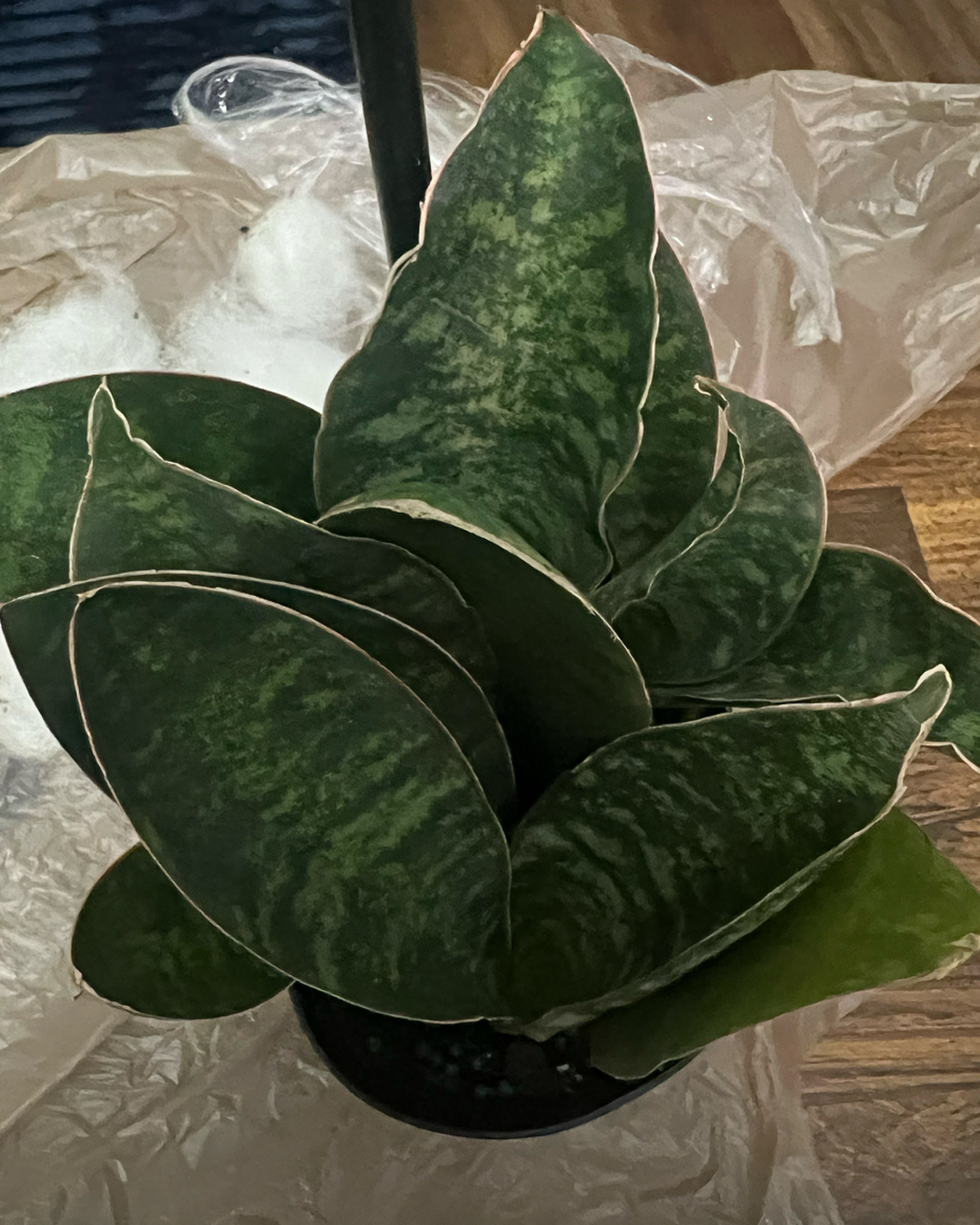
Field photograph · DC’s Indoor FlatScape
Additional photographs and dated observations will be added as the specimen develops.
THE REFERENCE LIBRARY
Keep the Field Guide
The website dossier is the living reference. The downloadable edition will bring the care information together with expanded procedures, rhizome and division guidance, propagation techniques, troubleshooting references, and space for personal notes.
Whale Fin Snake Plant Care Guide: Edition in preparation.
As the collection grows, this dossier will continue to be updated with new photographs, observations, and related field notes.