
THE LIVING COLLECTION / SPECIES DOSSIER
Lady Luck Pitcher Plant
Nepenthes ‘Lady Luck’
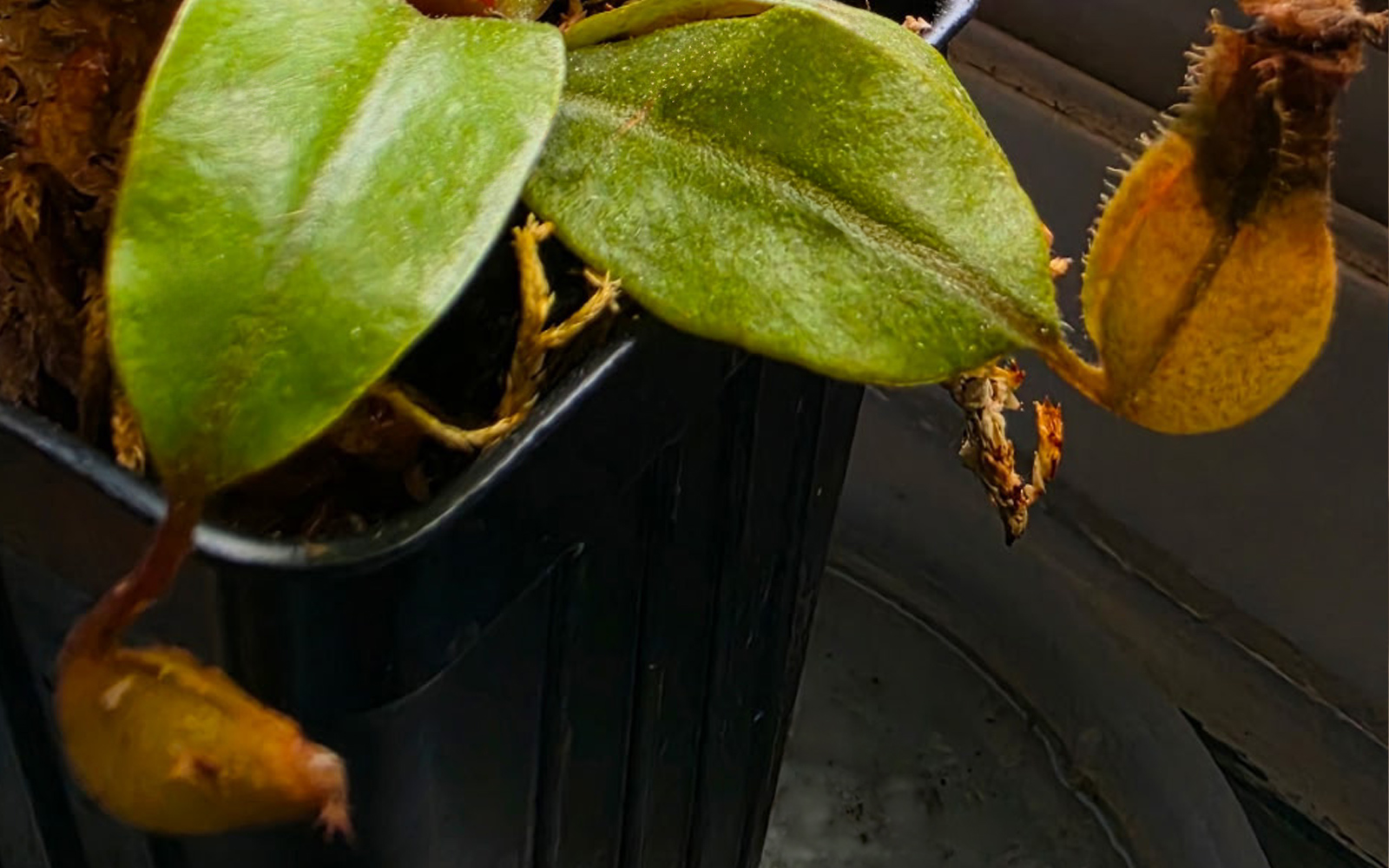
A closer look at the Lady Luck Pitcher Plant growing in DC’s Indoor FlatScape. Explore its tropical carnivorous growth, specialized pitcher traps, low-mineral root environment, propagation, and the observations that come from growing it as part of a real living collection.
BOTANICAL RECORD
Species Record
Botanical identification: Nepenthes ‘Lady Luck’
Common name: Lady Luck Pitcher Plant
Family: Nepenthaceae
Plant type: Tropical carnivorous pitcher plant
Origin: Horticultural Nepenthes hybrid
Growth habit: Climbing or scrambling tropical perennial
Growth characteristics: Leaves develop tendrils capable of producing specialized pitcher traps. These pitchers attract and capture small organisms, providing supplemental nutrients in environments where the root zone itself remains relatively nutrient poor.
Identification status: Named horticultural plant. Exact hybrid parentage not currently documented in the FlatScape record.
Collection status: Growing in DC’s Indoor FlatScape carnivorous collection.
FROM DC’S COLLECTION
Specimen Notes
This record follows the Lady Luck Pitcher Plant growing in DC’s Indoor FlatScape. General care information describes tropical Nepenthes requirements, while the observations below document what happens with this particular specimen.
What DC Is Learning
Lady Luck reinforces one of the most important lessons in the carnivorous collection: plants that like steady moisture do not all want the same root conditions. Nepenthes needs moisture, low-mineral water, and a highly aerated root zone rather than the continuously wet bog-style conditions used for some other carnivorous plants.
Current observations: To be updated from the next documented Lady Luck check.
Record status: Living record. Care decisions and observations may change as the plant grows.
GROWING CONDITIONS
Care & Environment
Light
Lady Luck generally performs well in bright, filtered light. Adequate light supports healthy leaf development and pitcher production, while abrupt exposure to intense direct sun can damage foliage.
Temperature
Warm indoor temperatures are generally suitable for cultivated tropical Nepenthes. Protect the plant from prolonged cold, cold drafts, and abrupt environmental swings.
Humidity
Moderate to higher humidity can support pitcher development, but humidity is only one part of the environment. Light, temperature, airflow, root health, and watering all influence whether a plant produces and maintains pitchers.
Vining Growth
As the plant matures, stems may elongate and begin climbing or trailing. New tendrils need enough surrounding space to develop without being repeatedly disturbed.
ROOT-ZONE CARE
Water & Nutrition
Water Quality
Use low-mineral water such as reverse-osmosis, distilled, or suitable rainwater. Mineral accumulation can damage the specialized root environment used by carnivorous plants.
Watering
Keep the growing medium consistently moist without leaving the container continuously submerged. Water thoroughly, allow excess water to drain, and do not allow the root zone to become completely dry.
Substrate
Use a nutrient-poor, highly aerated carnivorous plant medium. The root zone should retain moisture while still maintaining substantial oxygen around the roots. Ordinary rich potting soil is inappropriate.
Nutrition
The pitchers provide a way for the plant to obtain supplemental nutrients outside the root zone. Avoid treating Lady Luck like an ordinary fertilized houseplant. Any supplemental feeding experiment should be conservative and documented so the plant’s response can be evaluated.
Container & Drainage
Use a container that drains freely and provides enough room for the roots without surrounding them with an excessive volume of wet medium.
PROPAGATION
Growing New Plants
Nepenthes can be propagated from healthy stem cuttings and may also develop basal shoots that can eventually become independent plants.
Stem Cuttings
Select a healthy section of vine containing viable nodes and make the cut with a clean tool. The cutting should retain enough stem and node tissue to support new roots and shoots.
Rooting
Place the cutting into a moist, nutrient-poor, highly aerated propagation medium. Maintain warmth, appropriate humidity, and bright filtered light while roots develop.
Basal Shoots
Mature Nepenthes may produce additional growth near the base of the plant. A well-developed basal shoot can sometimes be separated once it has sufficient roots and independent growth.
After Rooting
Move established cuttings into appropriately sized containers with suitable carnivorous plant media. Avoid abrupt changes in humidity, watering, or light while the new root system establishes.
OBSERVATION & TROUBLESHOOTING
What to Watch For
No New Pitchers
A plant producing leaves without pitchers may be responding to light, humidity, temperature, environmental change, or root stress. Review the complete growing environment rather than immediately changing one factor.
Drying Pitchers
Individual pitchers naturally age and eventually decline. Rapid loss of several pitchers may also follow changes in humidity, watering, temperature, light, or location.
Brown Pitcher Tops
Pitchers can begin aging from the upper portion before the entire trap declines. Browning on an older pitcher does not automatically mean the whole plant is unhealthy.
Yellowing Leaves
Yellowing may result from normal aging, root stress, excess mineral accumulation, environmental changes, or other growing conditions. Review recent care before making several adjustments at once.
Root Stress
Nepenthes roots need both moisture and oxygen. A constantly stagnant root zone can cause problems even though the plant should not be allowed to dry completely.
Pest Inspection
Inspect leaf undersides, stems, growing tips, tendrils, and developing pitchers for scale, mealybugs, mites, or other pests. Identify the problem before selecting a treatment.
Aquarium Awareness
Because DC’s FlatScape shares the room with a planted freshwater aquarium, any pesticide, aerosol, or treatment used around this plant should be evaluated carefully for aquatic safety before application.
THE LIVING RECORD
DC’s Field Record
This record follows the actual Lady Luck Pitcher Plant growing in DC’s Indoor FlatScape. It will document leaf development, tendril growth, pitcher formation, pitcher longevity, root behavior, watering response, environmental changes, propagation, and the lessons that come from observing the plant over time.
Current Specimen
Collection: DC’s Indoor FlatScape
Identification: Nepenthes ‘Lady Luck’
Plant type: Tropical carnivorous pitcher plant
Water source: Low-mineral RO water
Root-zone approach: Specialized nutrient-poor, moisture-retentive, highly aerated carnivorous plant medium
Current measurements: Not yet entered.
Latest observation: To be updated from the next documented Lady Luck check.
What DC Is Learning
This space will record what the plant actually does: new leaves, tendril extension, pitcher formation, pitcher longevity, vine development, root behavior, watering response, and reactions to changes in light, humidity, temperature, or placement. Observations will be dated so they remain useful as the specimen develops.
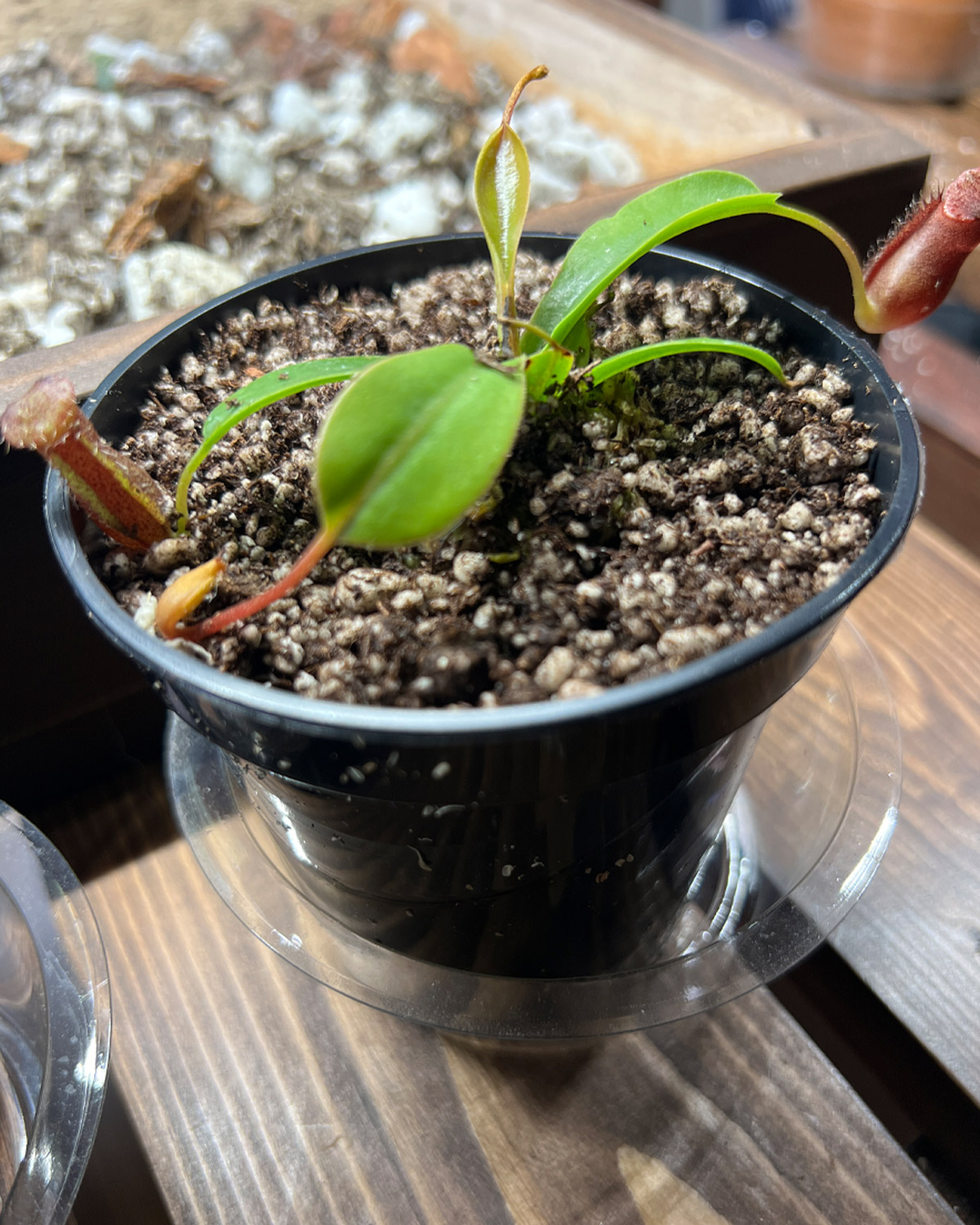
Field photograph · DC’s Indoor FlatScape
Additional photographs and dated observations will be added as the specimen develops.
THE REFERENCE LIBRARY
Keep the Field Guide
The website dossier is the living reference. The downloadable edition will bring the care information together with expanded procedures, pitcher-development observations, low-mineral water guidance, propagation techniques, troubleshooting references, and space for personal notes.
Lady Luck Pitcher Plant Care Guide: Edition in preparation.
As the collection grows, this dossier will continue to be updated with new photographs, observations, and related field notes.