
THE LIVING COLLECTION / SPECIES DOSSIER
Indoor Palm
Botanical identification pending
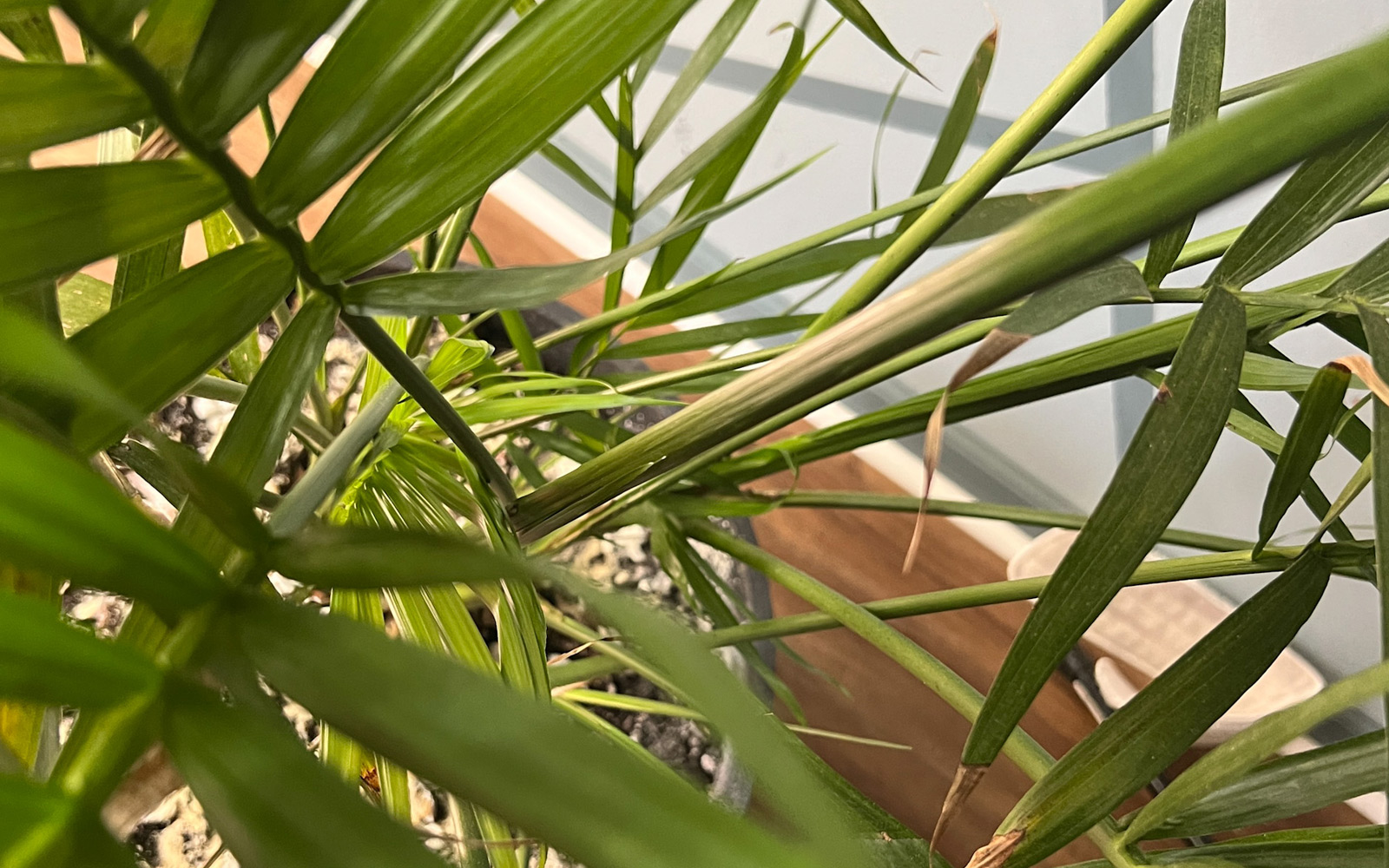
A closer look at the Indoor Palm growing in DC’s Indoor FlatScape. Explore its tropical foliage, moisture and humidity needs, root-zone behavior, propagation considerations, and the observations that come from growing it as part of a real living collection.
BOTANICAL RECORD
Species Record
Botanical identification: Pending
Common reference: Indoor Palm
Family: Arecaceae — pending specimen confirmation
Native range: To be added after positive identification
Growth habit: Tropical palm with upright foliage emerging from a central or clustered growth structure
Growth characteristics: Long fronds create an elevated tropical canopy above the root zone. Exact leaf structure, mature size, growth rate, and environmental preferences will be refined once the specimen is positively identified.
Identification status: Botanical identification pending.
Collection status: Growing in DC’s Indoor FlatScape.
FROM DC’S COLLECTION
Specimen Notes
This record follows the Indoor Palm growing in DC’s Indoor FlatScape. Until the exact species is confirmed, the general care information remains intentionally conservative while the field record documents what this particular plant actually does.
What DC Is Learning
The palm brings height, movement, and canopy structure into the FlatScape. Its fronds also make environmental changes easy to see, especially through changes in tip condition, leaf color, and the pace of new growth.
Current observations: To be updated from the next documented Indoor Palm check.
Identification priority: Confirm the exact palm species before publishing species-specific temperature, mature-size, propagation, or toxicity guidance.
Record status: Living record. Identification and care recommendations will become more specific as additional evidence is collected.
GROWING CONDITIONS
Care & Environment
Light
Many palms grown indoors perform well in bright, indirect light, although exact light requirements vary by species. Until this specimen is identified, avoid assuming that it prefers either deep shade or intense direct sun.
Temperature
Stable indoor temperatures are generally appropriate for tropical palms. Protect the plant from prolonged cold, strong drafts, and abrupt temperature changes.
Humidity
Many indoor palms respond well to moderate humidity. Dry indoor air can contribute to foliage stress, although humidity should always be evaluated together with watering, root condition, mineral buildup, temperature, and airflow.
Frond Development
New palm growth typically emerges from the active growing point rather than from old cut fronds. Avoid damaging the central growth area while cleaning, moving, or pruning the plant.
ROOT-ZONE CARE
Water & Nutrition
Watering
Maintain a balanced moisture level without keeping the root zone continuously saturated. Allow the upper portion of the substrate to begin drying before watering thoroughly, then allow excess water to drain.
Substrate
Use an aerated tropical medium that retains some moisture while still allowing reliable drainage and oxygen around the roots. Dense, compacted substrate can remain wet too long.
Water Quality
Monitor the plant for sensitivity to mineral accumulation. Brown tips can sometimes be influenced by water quality, fertilizer buildup, inconsistent moisture, dry air, or combinations of several factors rather than one single cause.
Nutrition
During active growth, use an appropriate balanced fertilizer conservatively according to product directions and plant response. More specific nutritional guidance should wait until the palm is positively identified.
Container & Drainage
Use a container with reliable drainage and enough stability to support the height and weight of the foliage. Avoid greatly oversizing the container relative to the root system.
PROPAGATION
Growing New Plants
Propagation methods vary considerably among palms, so this section will remain conservative until the specimen is positively identified.
Seed
Many palm species are propagated from seed, although germination requirements and timing vary widely between species.
Offsets
Some clustering palm species may produce basal shoots or offsets, while solitary palms do not. Do not separate growth until the plant’s identity and natural growth habit are known.
Division
Multiple stems in a container do not automatically mean the plant can be safely divided. Some commercially grown palms are planted as several individual seedlings rather than naturally producing divisions.
Identification First
Positive identification should come before any major propagation attempt so the correct method can be matched to the biology of the plant.
OBSERVATION & TROUBLESHOOTING
What to Watch For
Brown Leaf Tips
Brown tips can be associated with dry air, inconsistent moisture, mineral or fertilizer accumulation, root stress, or normal aging. Look for patterns across the plant before assigning a single cause.
Yellowing Fronds
Older fronds naturally decline over time, while widespread yellowing may indicate root stress, watering problems, nutrition issues, insufficient light, or environmental change.
Dry or Crispy Fronds
Review humidity, moisture consistency, root health, temperature, and the plant’s exposure to heating or cooling vents before making major changes.
Drooping
Changes in frond position can follow water stress, root problems, environmental changes, or physical damage. Check the substrate and recent care history before automatically watering.
Growth Point Damage
Avoid cutting or damaging the active central growing point. Unlike many branching houseplants, palms generally do not respond to topping by producing new branches from below the cut.
Pest Inspection
Inspect frond undersides, leaf bases, stems, and new growth for spider mites, scale, mealybugs, or other pests. Identify the problem before selecting a treatment.
Safety
Species-specific toxicity guidance should not be published until the exact palm is positively identified.
THE LIVING RECORD
DC’s Field Record
This record follows the actual Indoor Palm growing in DC’s Indoor FlatScape. It will document frond development, tip condition, root behavior, watering response, humidity response, environmental changes, identification work, and the lessons that come from observing the plant over time.
Current Specimen
Collection: DC’s Indoor FlatScape
Identification: Botanical identification pending
Plant group: Palm / Arecaceae — pending confirmation
Root-zone approach: Aerated, moisture-balanced tropical root zone
Current measurements: Not yet entered.
Latest observation: To be updated from the next documented Indoor Palm check.
What DC Is Learning
This space will record what the plant actually does: new frond emergence, tip condition, leaf color, moisture response, root behavior, changes associated with humidity and light, and the evidence used to eventually confirm its botanical identity. Observations will be dated so they remain useful as the specimen develops.
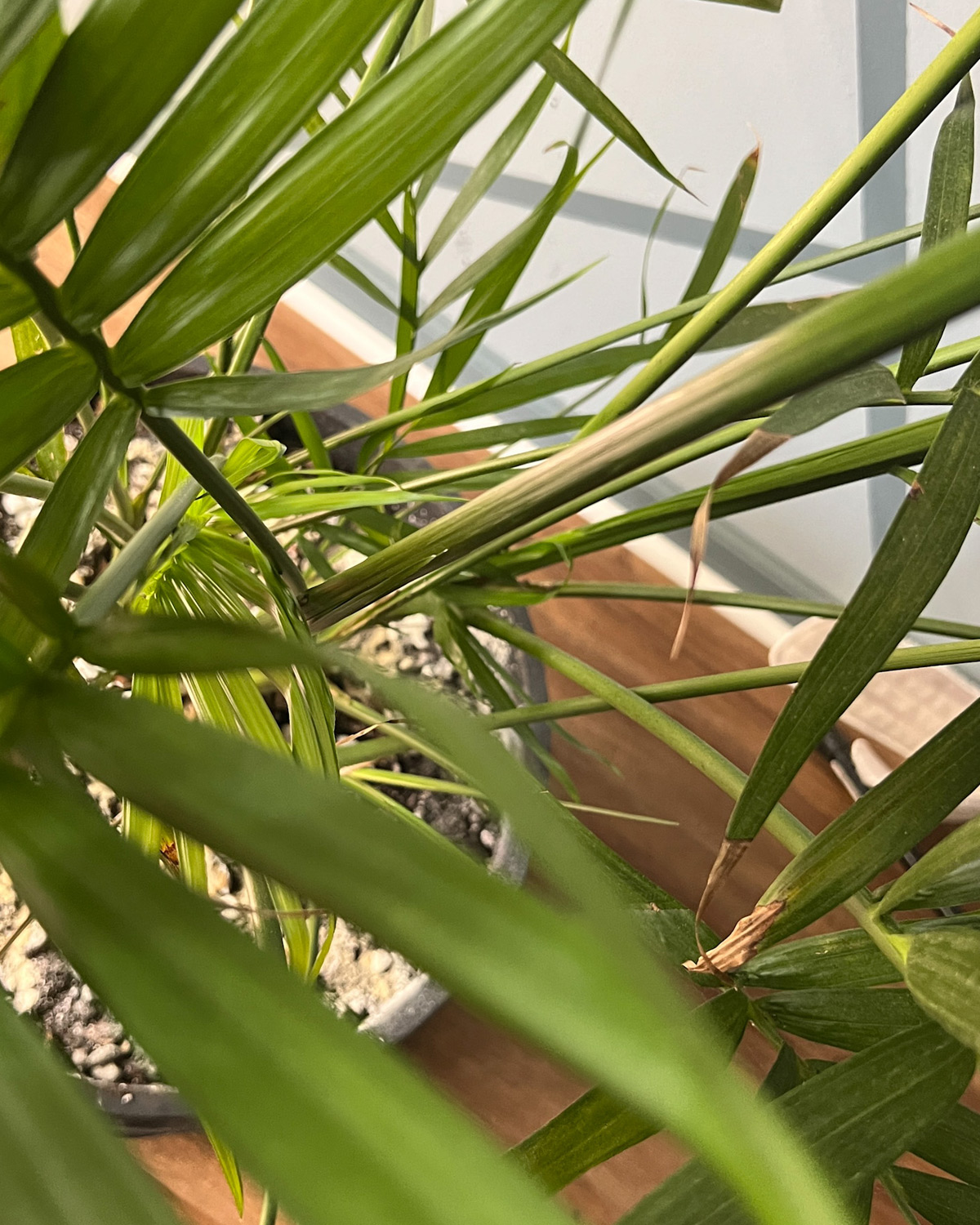
Field photograph · DC’s Indoor FlatScape
Additional photographs and dated observations will be added as the specimen develops.
THE REFERENCE LIBRARY
Keep the Field Guide
The website dossier is the living reference. Once the specimen is positively identified, the downloadable edition will bring the care information together with species-specific procedures, moisture and humidity guidance, troubleshooting references, identification notes, and space for personal observations.
Indoor Palm Care Guide: Edition in preparation pending botanical identification.
As the collection grows, this dossier will continue to be updated with new photographs, observations, and identification evidence.