
THE LIVING COLLECTION / SPECIES DOSSIER
Unidentified Succulent
Botanical identification pending
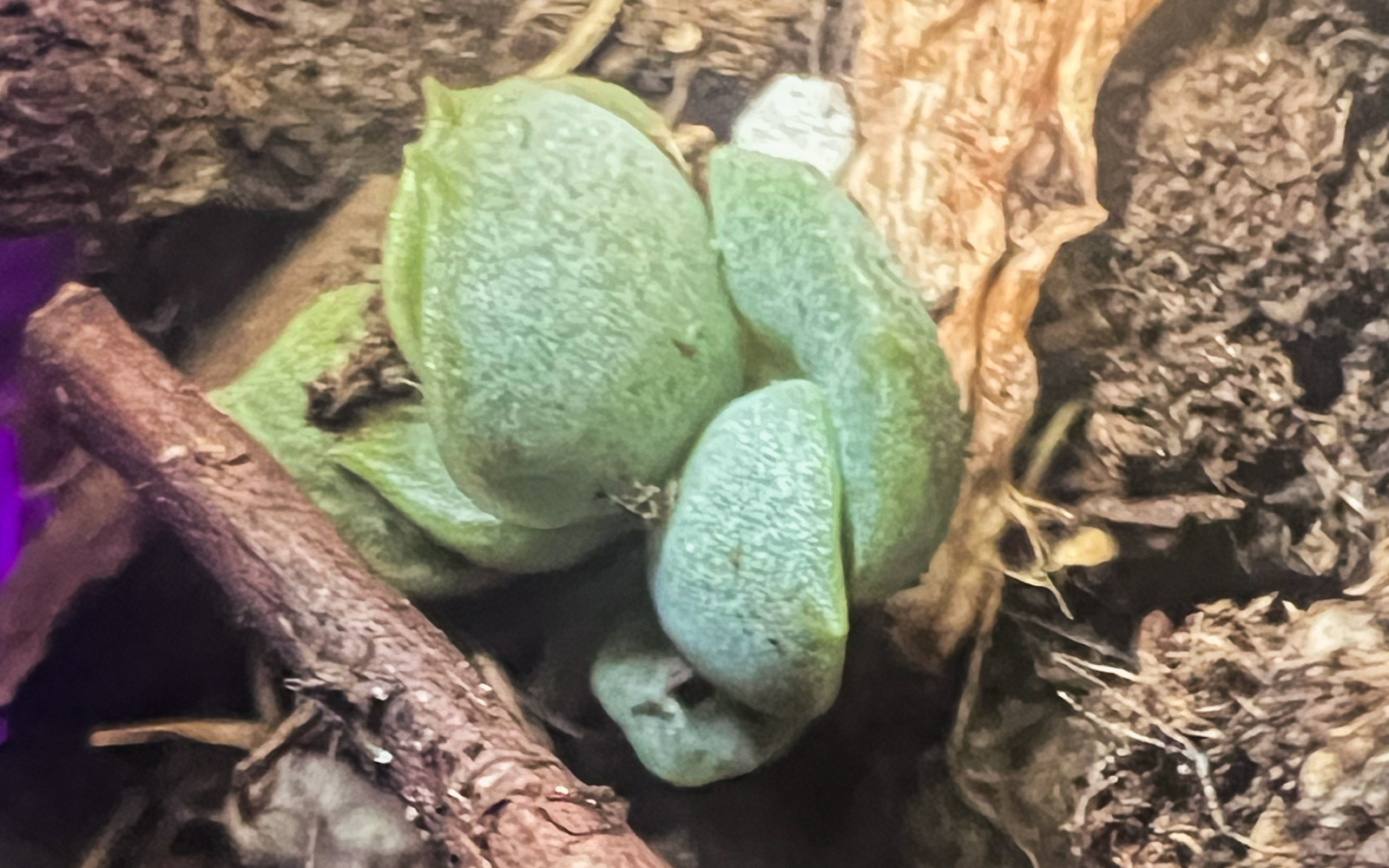
A closer look at one of the still-unidentified succulents growing in DC’s Indoor FlatScape. This living record follows its structure, water-storage strategy, root-zone behavior, propagation potential, and the clues that may eventually reveal exactly what it is.
BOTANICAL RECORD
Species Record
Botanical identification: Pending
Common reference: Unidentified Succulent
Family: Not yet confirmed
Native range: Unknown pending identification
Growth habit: Succulent perennial
Growth characteristics: The plant displays water-storing foliage consistent with a succulent growth strategy. Leaf arrangement, stem structure, surface texture, coloration, offsets, flowers, and mature growth form will all be used as identification evidence as the specimen develops.
Identification status: Botanical identification pending.
Collection status: Growing in DC’s Indoor FlatScape.
FROM DC’S COLLECTION
Specimen Notes
This record follows an unidentified succulent growing in DC’s Indoor FlatScape. Until the plant is positively identified, the care information remains intentionally conservative and the specimen itself becomes part of the identification process.
What DC Is Learning
Not knowing the name is part of the work. Instead of forcing an identification from one photograph or one familiar-looking leaf, DC can use growth pattern, leaf arrangement, offsets, roots, flowers, and long-term behavior as evidence.
Current observations: To be updated from the next documented specimen check.
Identification priority: Document the plant from multiple angles and record any flowers, offsets, stem changes, or distinctive surface features before assigning a botanical name.
Record status: Living identification record.
GROWING CONDITIONS
Care & Environment
Light
Until the specimen is positively identified, provide strong but controlled light and observe the plant’s response. Compact growth generally suggests that available light is supporting the current form, while stretching or wider spacing may indicate that more light is needed.
Temperature
Maintain stable indoor temperatures and protect the plant from prolonged cold. Avoid combining low temperatures with a wet root zone.
Growth Habit
Observe whether the plant remains as a compact rosette, develops a stem, branches, trails, or produces offsets. Growth habit can provide important clues for identification.
Leaf Characteristics
Record leaf shape, thickness, arrangement, color, texture, surface coating, margins, and any markings. These features may eventually help narrow the specimen to a genus or species.
ROOT-ZONE CARE
Water & Nutrition
Watering
Allow the root zone to dry substantially between waterings unless future identification shows that the plant requires a different strategy. Water thoroughly when needed, then allow excess moisture to drain.
Substrate
Use a fast-draining, highly aerated dryland medium while the plant remains unidentified. The goal is to provide moisture when needed without leaving the roots continuously wet.
Nutrition
Feed conservatively during active growth. Avoid aggressive fertilization until the plant’s identity, growth rate, and nutritional needs are better understood.
Container & Drainage
Use a container with reliable drainage and size it appropriately to the current root system. Avoid placing a small succulent into an oversized volume of moisture-retentive substrate.
PROPAGATION
Growing New Plants
Propagation methods should remain conservative until the plant’s structure and identity become clearer.
Offsets
If the plant produces naturally rooted offsets, these may eventually provide the safest propagation route. Allow them to develop sufficiently before separation.
Stem Cuttings
If the plant develops clear stems and nodes, stem cuttings may become an option. Do not assume stem propagation is appropriate until the growth structure is understood.
Leaf Propagation
Some succulents can reproduce from individual leaves while others cannot. Leaf propagation should be treated as an experiment rather than an assumed method until identification improves.
Callusing
When propagation creates a fresh wound, allow damaged succulent tissue time to dry before exposing it to prolonged moisture.
Document the Result
Any successful or unsuccessful propagation attempt becomes useful identification evidence and should be added to the field record.
OBSERVATION & TROUBLESHOOTING
What to Watch For
Soft or Translucent Tissue
Soft, swollen, or collapsing tissue can be associated with prolonged excess moisture, cold damage, or root problems. Inspect the root zone before adding more water.
Wrinkling
Wrinkling may indicate extended dryness, but damaged roots can produce a similar appearance by reducing water uptake. Consider both substrate moisture and root condition.
Stretching
Long stems, widened leaf spacing, or a loosening growth form may indicate insufficient light. Compare new growth with the plant’s earlier structure.
Unexpected Color Changes
Color shifts may reflect light, temperature, water stress, normal development, or genetics. Document changes before assuming they indicate a problem.
Lower Leaf Loss
Some older leaves may naturally decline as the plant grows. Rapid or widespread soft leaf loss should prompt a review of moisture, temperature, and root condition.
Pest Inspection
Inspect leaf joints, rosette centers, stems, offsets, and the soil line for mealybugs, scale, mites, or other pests. Identify the problem before selecting a treatment.
Identification Errors
A visual resemblance to another succulent is not enough to confirm identity. Avoid rewriting the care plan around a guessed species until stronger evidence is available.
THE LIVING RECORD
DC’s Field Record
This record follows the unidentified succulent growing in DC’s Indoor FlatScape. It will document growth form, leaf arrangement, coloration, root behavior, offsets, flowers, propagation attempts, watering response, environmental changes, and the evidence used to eventually determine what the plant is.
Current Specimen
Collection: DC’s Indoor FlatScape
Identification: Pending
Plant type: Succulent
Root-zone approach: Fast-draining, aerated dryland root zone
Current measurements: Not yet entered.
Latest observation: To be updated from the next documented specimen check.
Identification Notes
Document leaf shape, arrangement, thickness, surface texture, stem structure, growth direction, offsets, flowers, roots, and any changes that occur as the specimen matures.
What DC Is Learning
This space will record what the plant actually does before deciding what it is. The goal is not to force the specimen into a familiar name, but to let repeated observation build the evidence needed for a more confident identification.
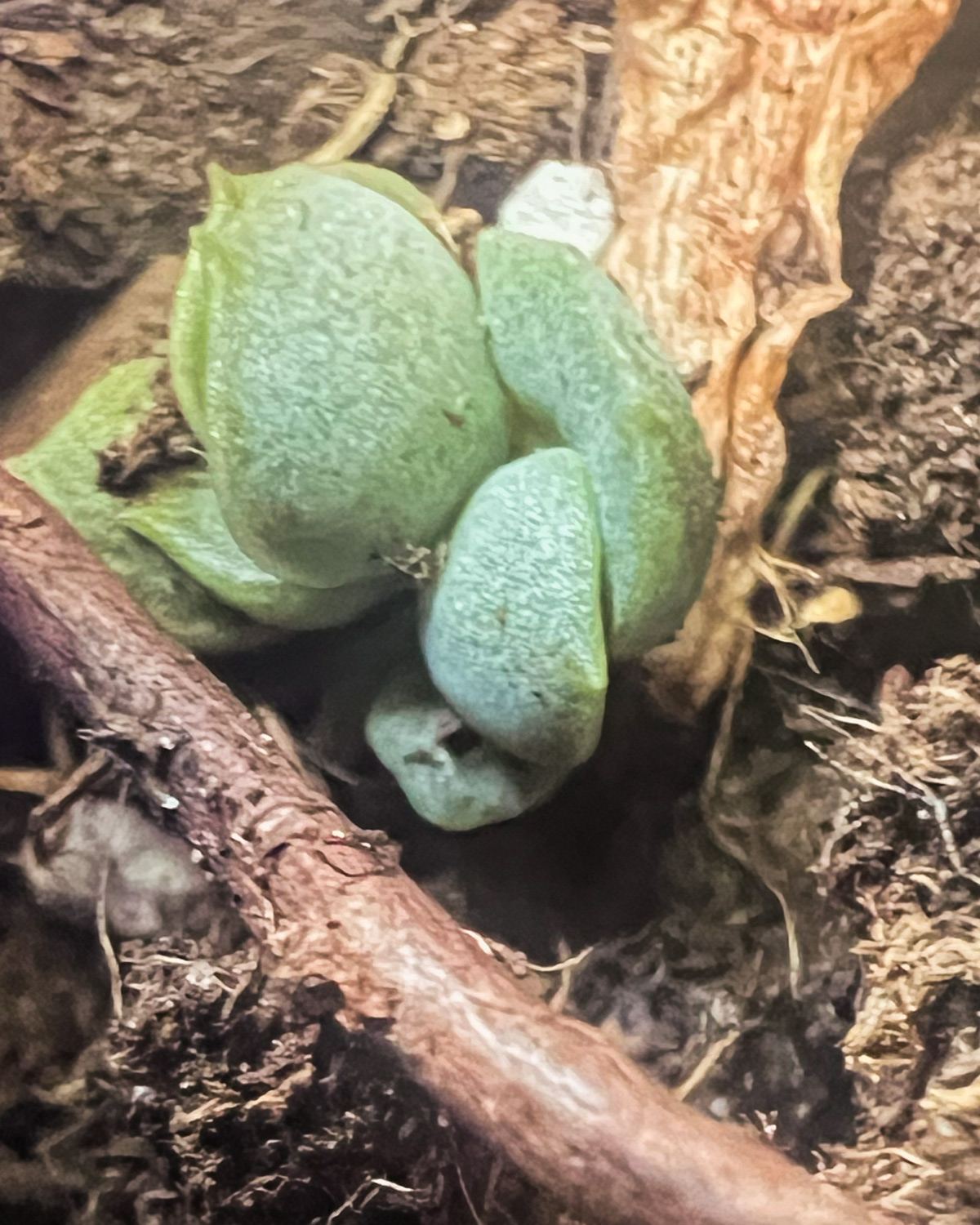
Field photograph · DC’s Indoor FlatScape
Additional photographs and dated observations will be added as the specimen develops.
THE REFERENCE LIBRARY
Keep the Field Guide
The website dossier is the living reference. Once the specimen is positively identified, this record can be revised with species-specific care, propagation, troubleshooting, and botanical information.
Unidentified Succulent Field Guide: Identification in progress.
This dossier will remain intentionally unfinished until the evidence supports a more specific botanical name.
As the collection grows, this record will continue to be updated with new photographs, observations, and identification evidence.