
THE LIVING COLLECTION / SPECIES DOSSIER
Heartleaf Philodendron
Philodendron hederaceum
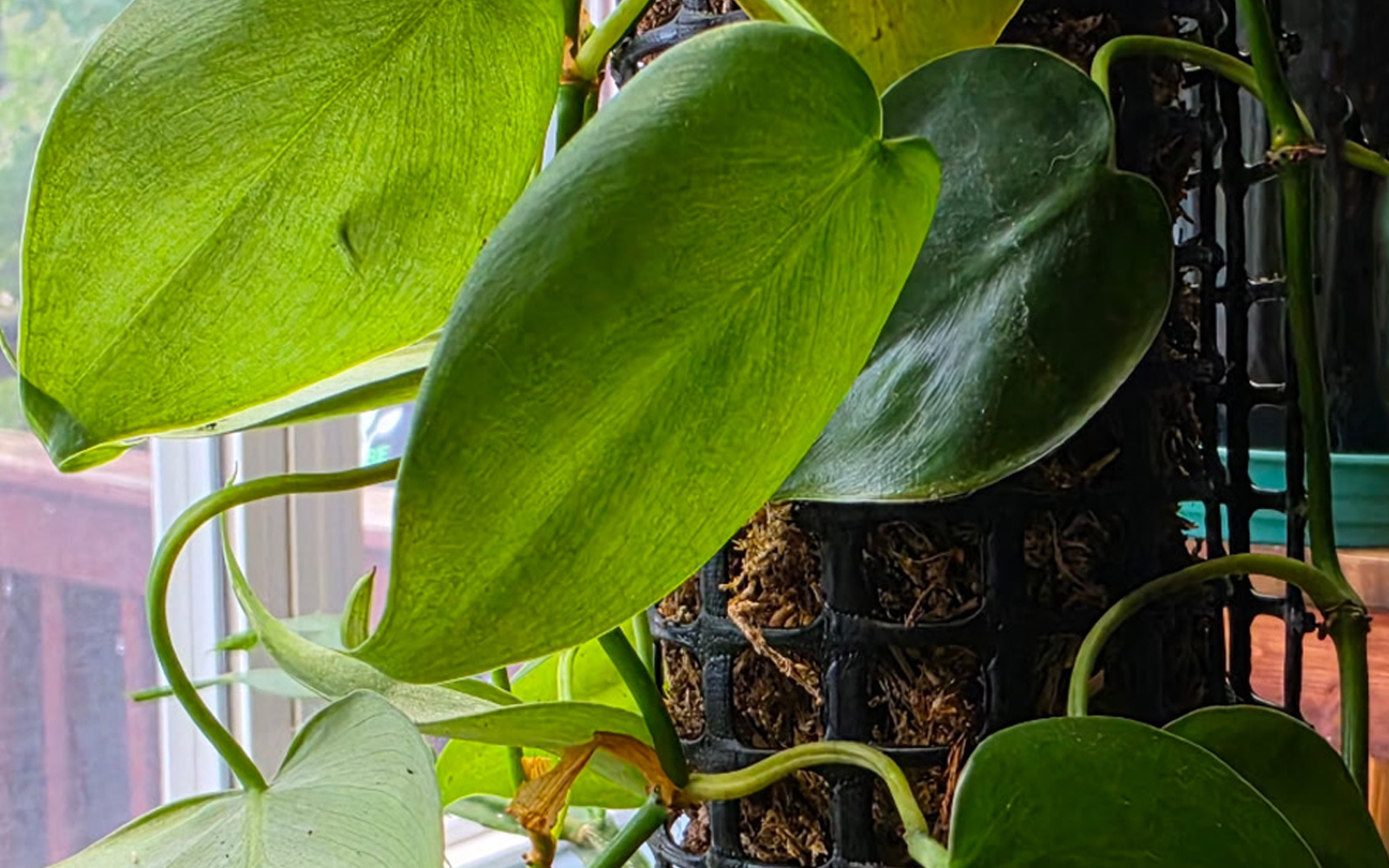
A closer look at the Heartleaf Philodendron growing in DC’s Indoor FlatScape. Explore its climbing growth habit, root-zone needs, propagation, and the observations that come from growing it as part of a real living collection.
BOTANICAL RECORD
Species Record
Botanical name: Philodendron hederaceum
Common name: Heartleaf Philodendron
Family: Araceae
Native range: Tropical regions of the Americas
Growth habit: Evergreen climbing and trailing aroid
Growth characteristics: Flexible vines produce heart-shaped leaves and aerial roots. The plant can trail from a container or climb a suitable support, with growth habit and leaf development influenced by light, support, and overall growing conditions.
Collection status: Growing in DC’s Indoor FlatScape.
FROM DC’S COLLECTION
Specimen Notes
This record follows the Heartleaf Philodendron growing in DC’s Indoor FlatScape. General care information describes the species, while the observations below document what happens with this particular plant.
What DC Is Learning
The FlatScape uses different root environments rather than placing every species into the same soil. DC’s Tropical Root Architecture Mix was developed to provide an open, aerated root zone for tropical plants including philodendrons.
Current observations: To be updated from the next documented Heartleaf Philodendron check.
Record status: Living record. Care decisions and observations may change as the plant grows.
FROM DC’S COLLECTION
Specimen Notes
This record follows the Heartleaf Philodendron growing in DC’s Indoor FlatScape. General care information describes the species, while the observations below document what happens with this particular plant.
What DC Is Learning
The FlatScape uses different root environments rather than placing every species into the same soil. DC’s Tropical Root Architecture Mix was developed to provide an open, aerated root zone for tropical plants including philodendrons.
Current observations: To be updated from the next documented Heartleaf Philodendron check.
Record status: Living record. Care decisions and observations may change as the plant grows.
GROWING CONDITIONS
Care & Environment
Light
Heartleaf Philodendron grows well in bright, indirect light and can tolerate somewhat lower indoor light. Growth may become slower or more stretched when light is limited. Strong direct sun should be introduced carefully to avoid leaf damage.
Temperature & Humidity
Warm indoor temperatures are generally suitable. Protect the plant from cold drafts and prolonged chilling. Average household humidity can work well, although moderate humidity may support more vigorous growth.
Climbing & Trailing
The plant naturally climbs using aerial roots but can also be allowed to trail. Providing a suitable support can encourage more vertical growth and may influence leaf size and overall form.
ROOT-ZONE CARE
Water & Nutrition
Watering
Water according to the condition of the root zone rather than a fixed calendar. Allow the upper portion of the substrate to begin drying before watering thoroughly, then allow excess water to drain. Pot size, container material, temperature, light, and season all influence drying time.
Substrate
Use an aerated, well-draining medium that retains some moisture without remaining saturated. A loose root zone helps balance moisture with oxygen around the roots.
Nutrition
During active growth, a balanced houseplant fertilizer can be used according to product directions and the plant’s response. Reduce feeding when growth slows. More fertilizer is not automatically better.
Container & Drainage
Use a container with adequate drainage and size it appropriately to the existing root system. Excess substrate around a small root system can remain wet longer than expected.
PROPAGATION
Growing New Plants
Heartleaf Philodendron is readily propagated from stem cuttings that include at least one node. The node contains the tissue needed to produce new roots and growth.
Stem Cuttings
Select a healthy section of vine with at least one node. Make the cut with a clean tool, then place the node in clean water or a suitable moist, aerated propagation medium.
Root Development
Keep the cutting warm and in bright, indirect light while roots develop. Refresh propagation water when needed or maintain consistent moisture if using a substrate-based method.
After Rooting
Once a useful root system has developed, move the cutting into an appropriately sized container with suitable tropical substrate. Avoid repeatedly disturbing the new roots during establishment.
Fuller Plants
Multiple rooted cuttings can be planted together when a fuller container is desired. Each cutting should have a healthy node and adequate root development before being combined.
OBSERVATION & TROUBLESHOOTING
What to Watch For
Yellowing Leaves
Yellow leaves can result from normal aging, excessive moisture, root stress, or other environmental conditions. Review recent watering and root-zone behavior before changing the care routine.
Brown Tips or Edges
Consider inconsistent moisture, dry air, mineral accumulation, root stress, or physical damage. Look at the pattern across the plant rather than diagnosing from a single leaf.
Long Gaps Between Leaves
Extended spacing along the vine can be associated with insufficient light. Compare newer growth with older sections and review the plant’s position relative to the light source.
Small New Leaves
Review available light, root condition, nutrition, and whether a climbing plant has appropriate support. Growth naturally changes with season and environment.
Pest Inspection
Inspect leaf undersides, nodes, stems, and new growth for insects, webbing, speckling, or sticky residue. Identify the problem before selecting a treatment.
Safety
Philodendrons contain calcium oxalate crystals that can irritate the mouth and digestive tract if chewed or swallowed. Keep the plant away from pets and children who may chew foliage.
THE LIVING RECORD
DC’s Field Record
This record follows the actual Heartleaf Philodendron growing in DC’s Indoor FlatScape. It will document new vines, leaf development, root growth, propagation, changes in growing conditions, and the lessons that come from observing the plant over time.
Current Specimen
Collection: DC’s Indoor FlatScape
Identification: Philodendron hederaceum
Root-zone approach: DC’s Tropical Root Architecture Mix
Current measurements: Not yet entered.
Latest observation: To be updated from the next documented plant check.
What DC Is Learning
This space will record what the plant actually does: vine extension, leaf size, aerial-root development, propagation attempts, changes in light or watering, and responses to the environment. Observations will be dated so they remain useful as the plant changes.
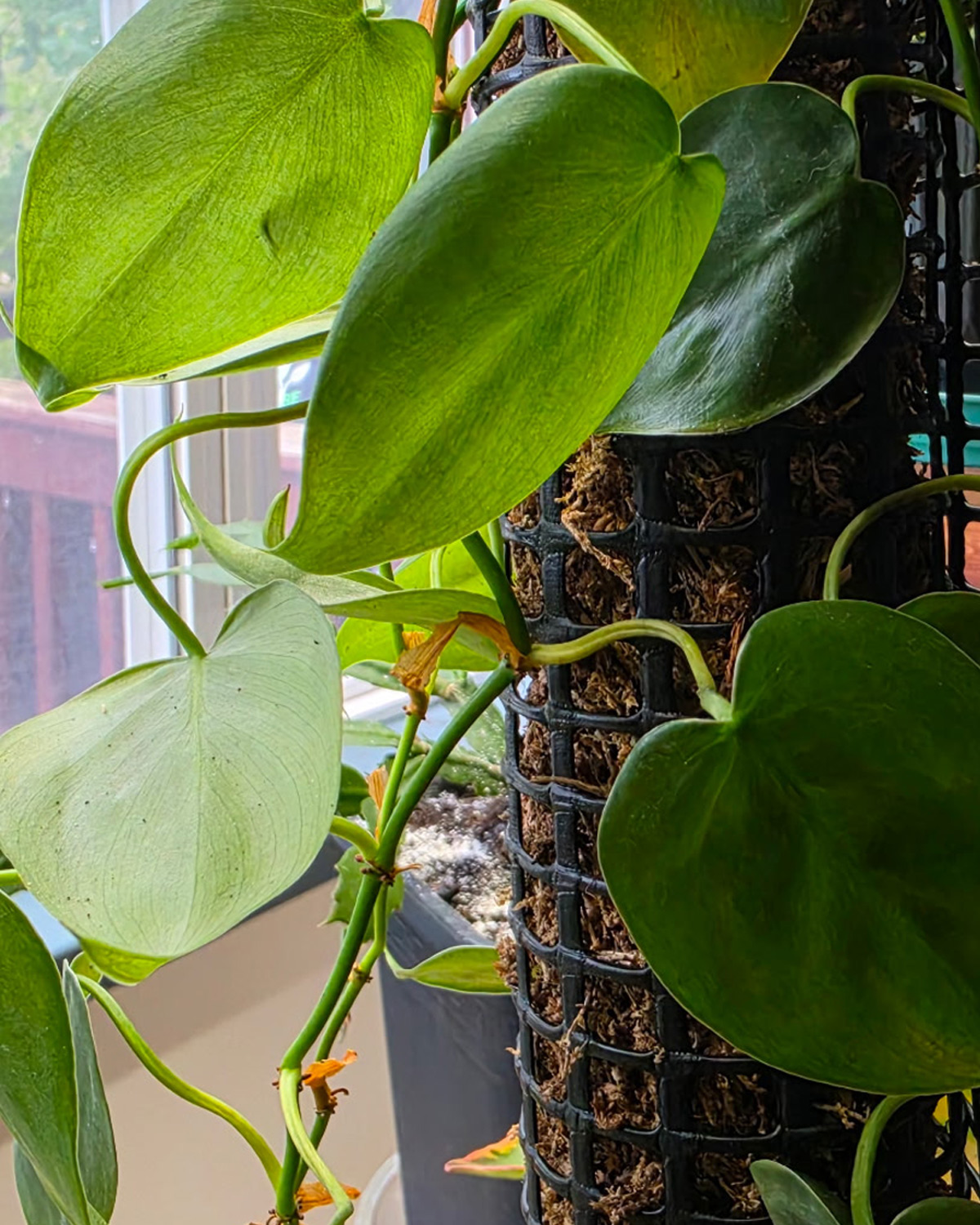
Field photograph · DC’s Indoor FlatScape
Additional photographs and dated observations will be added as the specimen develops.
THE REFERENCE LIBRARY
Keep the Field Guide
The website dossier is the living reference. The downloadable edition will bring the care information together with expanded procedures, propagation guidance, troubleshooting references, and space for personal notes.
Heartleaf Philodendron Care Guide: Edition in preparation.
As the collection grows, this dossier will continue to be updated with new photographs, observations, and related field notes.