
THE LIVING COLLECTION / SPECIES DOSSIER
Holiday Cactus
Schlumbergera spp.
A closer look at the Holiday Cactus growing in DC’s Indoor FlatScape. Explore its segmented growth, epiphytic root habits, flowering cycle, propagation, and the observations that come from growing it as part of a real living collection.
BOTANICAL RECORD
Species Record
Botanical identification: Schlumbergera spp.
Common name: Holiday Cactus
Family: Cactaceae
Native lineage: Humid forest habitats of southeastern Brazil
Growth habit: Epiphytic or lithophytic tropical cactus
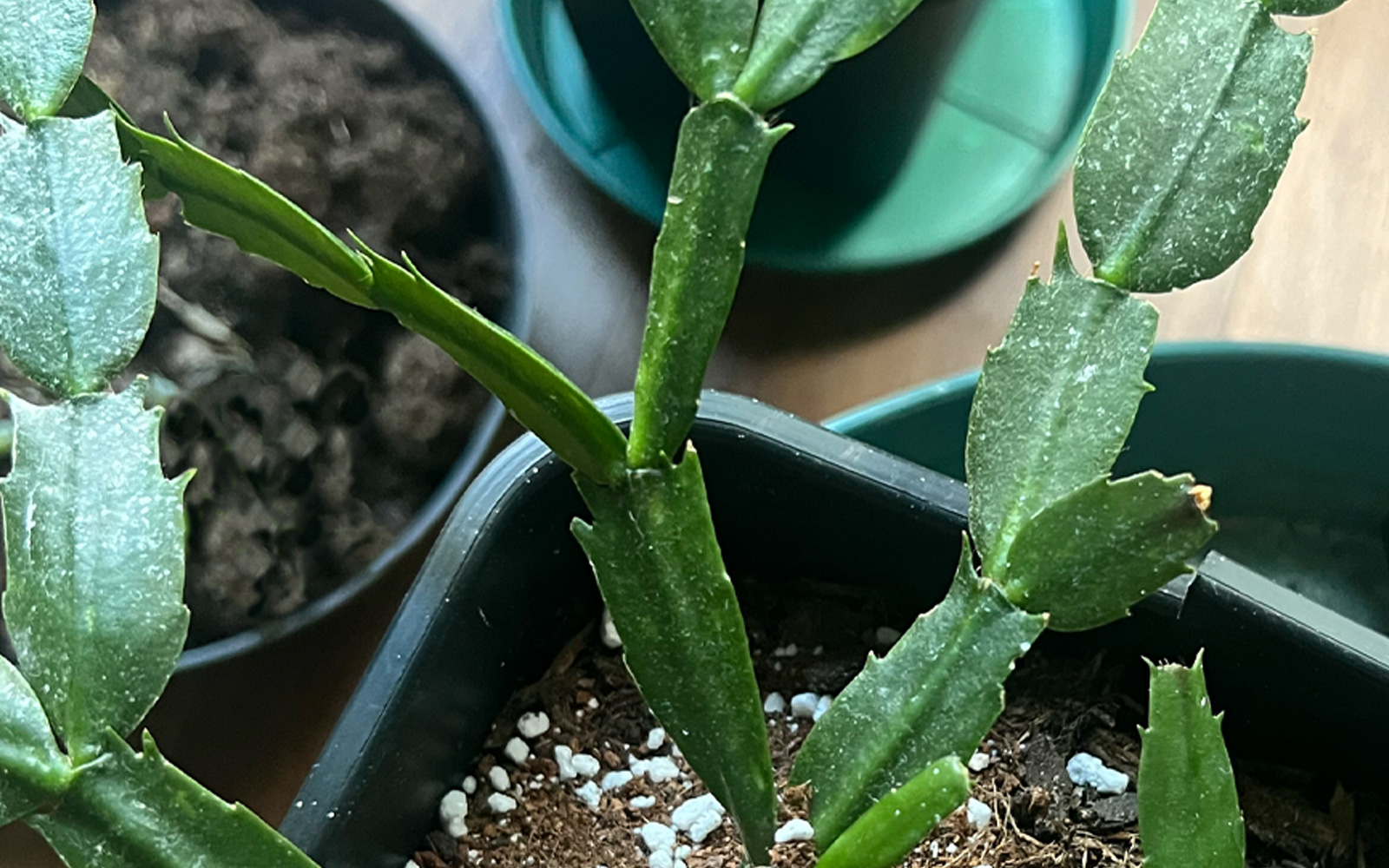
Growth characteristics: Flattened segmented stems form branching chains rather than the spiny stems associated with many desert cacti. Flowers develop near the ends of mature segments under suitable environmental conditions.
Identification status: Genus-level working identification. Exact species, hybrid, or cultivar not yet confirmed.
Collection status: Growing in DC’s Indoor FlatScape.
FROM DC’S COLLECTION
Specimen Notes
This record follows the Holiday Cactus growing in DC’s Indoor FlatScape. General care information describes the Schlumbergera group, while the observations below document what happens with this particular specimen.
What DC Is Learning
The Holiday Cactus is a reminder that the word cactus does not always mean desert conditions. Its segmented growth and forest ancestry call for a different balance of moisture, airflow, and light than DC’s dryland succulents.
Current observations: To be updated from the next documented Holiday Cactus check.
Record status: Living record. Identification and care decisions may change as the plant develops and additional information becomes available.
GROWING CONDITIONS
Care & Environment
Light
Holiday Cacti generally perform well in bright, indirect light. Gentle morning or filtered direct light may be tolerated, while prolonged intense sun can stress or discolor the segmented stems.
Temperature & Humidity
Moderate indoor temperatures are generally suitable. Holiday Cacti come from humid forest environments rather than arid deserts, so they can appreciate moderate humidity when paired with good airflow and proper root-zone conditions.
Growth Habit
New segments develop from the ends of existing segments, producing increasingly branched growth over time. Mature stems may arch or hang naturally as they lengthen.
Flowering Cycle
Flowering is influenced by plant maturity, environmental conditions, temperature, and the length of uninterrupted darkness. Seasonal changes can become an important part of observing the plant’s natural rhythm.
ROOT-ZONE CARE
Water & Nutrition
Watering
Water thoroughly when the upper portion of the growing medium begins to dry, then allow excess water to drain. Holiday Cacti generally prefer more regular moisture than desert cacti but should not remain continuously saturated.
Substrate
Use a loose, aerated, well-draining medium that retains some moisture while allowing oxygen around the roots. A dense or compacted root zone can remain wet longer than the plant can comfortably use.
Nutrition
During active growth, a balanced fertilizer can be used at an appropriate dilution according to product directions and plant response. Reduce feeding when growth slows.
Container & Drainage
Use a container with reliable drainage and size it appropriately to the root system. Avoid surrounding a modest root mass with an excessive volume of wet substrate.
PROPAGATION
Growing New Plants
Holiday Cacti are readily propagated from healthy stem segments.
Segment Cuttings
Select a healthy section containing several connected segments and separate it cleanly from the parent plant.
Callusing
Allow the cut end to dry briefly before placing it into propagation medium. This can help reduce the risk of damage at the fresh wound.
Rooting
Insert the base of the cutting shallowly into a moist, aerated propagation medium. Keep the cutting in bright indirect light and avoid saturating the substrate while roots develop.
After Rooting
Once the cutting develops a useful root system and begins producing new growth, move it into an appropriately sized container with a suitable airy medium.
OBSERVATION & TROUBLESHOOTING
What to Watch For
Wrinkled or Limp Segments
Loss of firmness can result from excessive dryness, damaged roots, prolonged saturation, temperature stress, or other environmental changes. Check the root zone before automatically adding more water.
Yellowing Segments
Yellowing may be associated with excessive moisture, root stress, intense light, nutrient imbalance, or normal aging. Review recent care before changing several variables at once.
Red or Purple Stress Coloration
Color changes can occur in response to strong light, temperature shifts, nutrient stress, or other environmental conditions. Compare new and older growth and consider the plant’s recent environment.
Bud Drop
Developing buds can drop after abrupt changes in temperature, light, watering, or location. Once buds form, maintaining relatively stable conditions can help reduce unnecessary stress.
Root Stress
Persistent saturation can reduce oxygen around the roots. A plant that appears wilted while the substrate remains wet should be inspected rather than watered again automatically.
Pest Inspection
Inspect stem joints, undersides, growing tips, and flower buds for mealybugs, scale, mites, or other pests. Identify the problem before selecting a treatment.
THE LIVING RECORD
DC’s Field Record
This record follows the actual Holiday Cactus growing in DC’s Indoor FlatScape. It will document new segments, branching, root behavior, propagation, seasonal changes, bud formation, flowering, and the lessons that come from observing the plant over time.
Current Specimen
Collection: DC’s Indoor FlatScape
Identification: Schlumbergera spp. — working ID
Exact species, hybrid, or cultivar: Not yet confirmed.
Root-zone approach: Aerated, moisture-balanced epiphytic cactus root zone
Current measurements: Not yet entered.
Latest observation: To be updated from the next documented Holiday Cactus check.
What DC Is Learning
This space will record what the plant actually does: new segment production, branching, root development, propagation response, changes in moisture, seasonal bud formation, flowering, and responses to light and temperature. Observations will be dated so they remain useful as the plant changes.
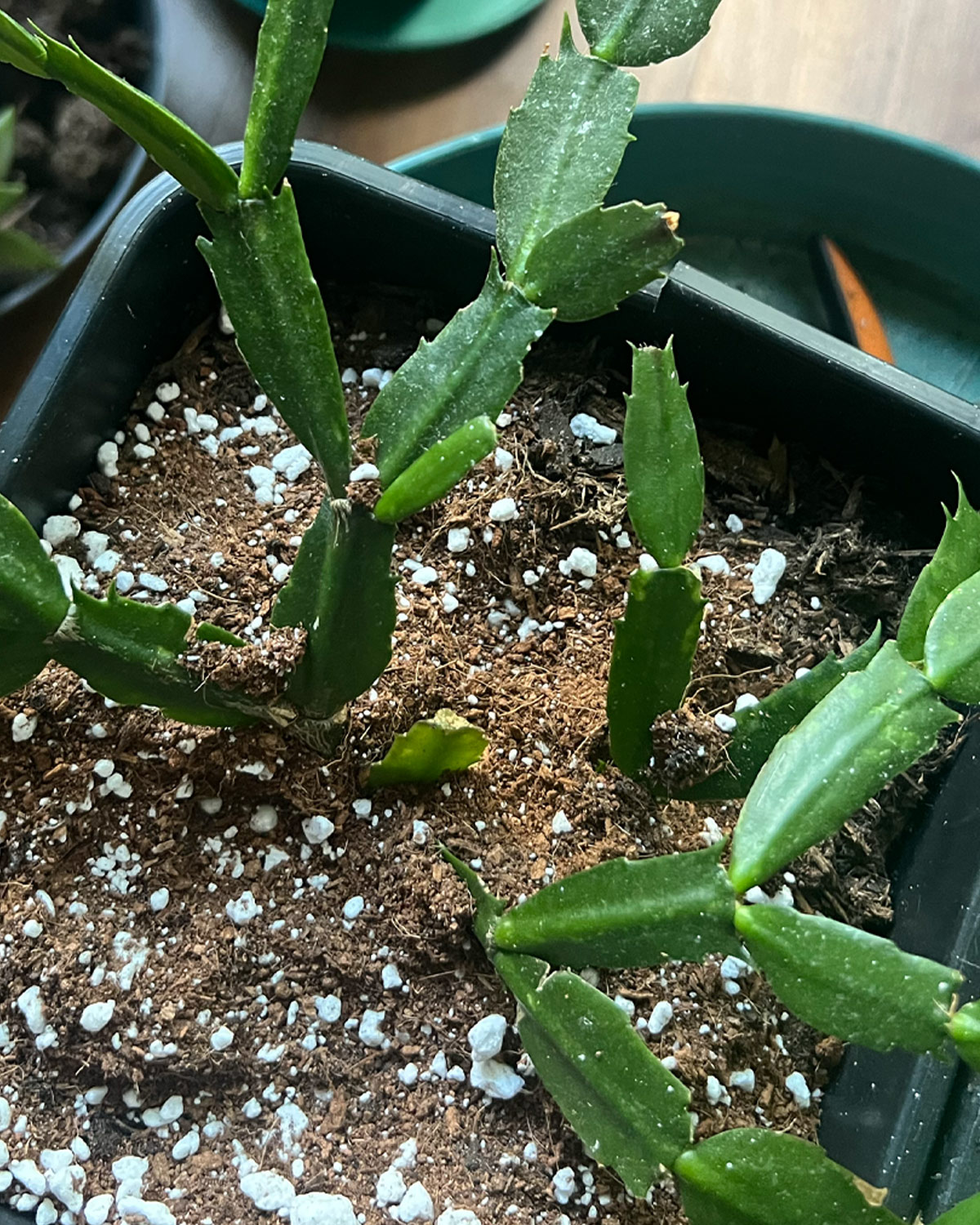
Field photograph · DC’s Indoor FlatScape
Additional photographs and dated observations will be added as the specimen develops.
THE REFERENCE LIBRARY
Keep the Field Guide
The website dossier is the living reference. The downloadable edition will bring the care information together with expanded procedures, flowering guidance, propagation techniques, troubleshooting references, and space for personal notes.
Holiday Cactus Care Guide: Edition in preparation.
As the collection grows, this dossier will continue to be updated with new photographs, observations, and related field notes.