
THE LIVING COLLECTION / SPECIES DOSSIER
Jade Plant
Crassula ovata
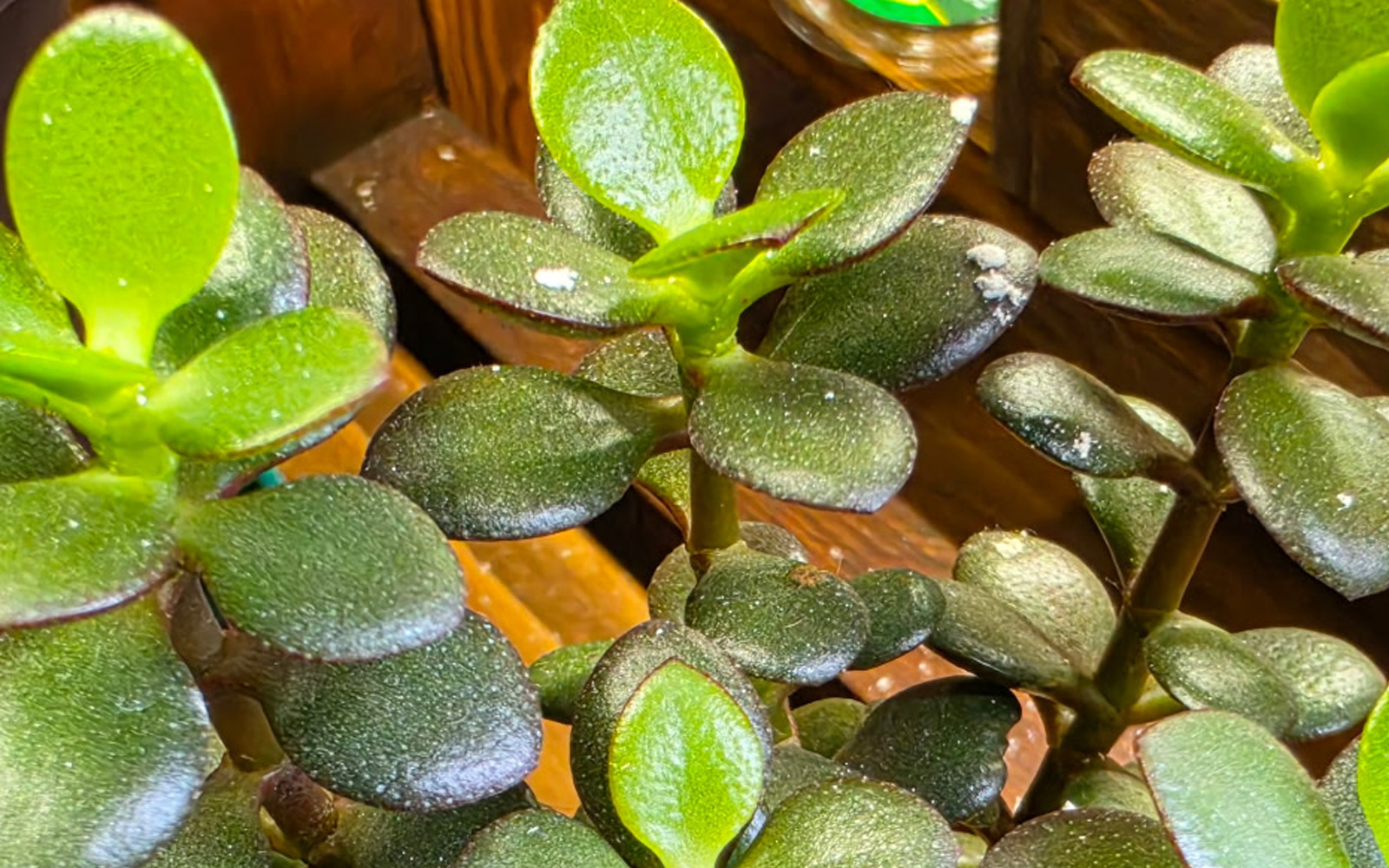
A closer look at the Jade Plant growing in DC’s Indoor FlatScape. Explore its woody succulent growth, water-storage strategy, dryland root zone, propagation, and the observations that come from growing it as part of a real living collection.
BOTANICAL RECORD
Species Record
Botanical identification: Crassula ovata — working ID
Common name: Jade Plant
Family: Crassulaceae
Native range: Southern Africa
Growth habit: Woody, branching succulent shrub
Growth characteristics: Thick fleshy leaves grow along branching stems that become increasingly woody with age. Mature plants can develop a miniature tree-like form while storing water throughout their leaves and stems.
Identification status: Working species identification pending specimen confirmation.
Collection status: Growing in DC’s Indoor FlatScape.
FROM DC’S COLLECTION
Specimen Notes
This record follows the Jade Plant growing in DC’s Indoor FlatScape. General care information describes the working species identification, while the observations below document what happens with this particular specimen.
What DC Is Learning
The Jade Plant brings a different kind of structure to the dryland side of the FlatScape. Unlike a low rosette succulent, it develops branching stems and a woody framework, making pruning, light direction, and long-term shaping part of the observation.
Current observations: To be updated from the next documented Jade Plant check.
Record status: Living record. Identification and care decisions may change as the plant develops and additional information becomes available.
GROWING CONDITIONS
Care & Environment
Light
Jade Plants generally perform best in strong light. Bright indirect light and appropriately introduced direct sun can support compact growth, stronger stems, and dense foliage. Major increases in direct light should be gradual.
Temperature & Humidity
Warm indoor temperatures are generally suitable. Protect the plant from prolonged cold and especially from cold, wet root conditions. Average household humidity is usually sufficient.
Growth & Branching
As the plant matures, stems become thicker and increasingly woody. Selective pruning can influence branching and overall shape, allowing the plant to develop a more compact or tree-like structure.
Water Storage
The thick leaves and stems act as water-storage organs. This allows the plant to tolerate periods of dryness and makes frequent watering unnecessary.
ROOT-ZONE CARE
Water & Nutrition
Watering
Allow the root zone to dry substantially between waterings. When water is needed, saturate the substrate thoroughly and allow excess water to drain. Avoid repeatedly adding small amounts of water to substrate that remains damp.
Substrate
Use a fast-draining, highly aerated dryland or succulent-style medium. Coarse and mineral components can help preserve oxygen around the roots and reduce the time the root zone remains wet.
Nutrition
Feed lightly during active growth with an appropriate balanced fertilizer. Jade Plants do not require aggressive feeding, and excessive fertilizer should not be used to force faster growth.
Container & Drainage
Use a container with reliable drainage and size it appropriately to the existing root system. As the canopy becomes heavier, container stability should also be considered.
PROPAGATION
Growing New Plants
Jade Plants can be propagated from stem cuttings or individual healthy leaves.
Stem Cuttings
Select a healthy branch or stem section and make the cut with a clean tool. Remove any lower leaves that would otherwise contact the propagation medium.
Callusing
Allow the cut surface to dry and callus before placing the cutting into a dryland propagation medium. This helps protect freshly damaged tissue from remaining wet.
Leaf Propagation
A healthy mature leaf can also produce roots and new growth when removed cleanly with its base intact. Allow the wound to dry before beginning propagation.
After Rooting
Once new roots and growth are established, move the propagation into an appropriately sized container with a fast-draining substrate. Avoid keeping young roots continuously saturated.
OBSERVATION & TROUBLESHOOTING
What to Watch For
Soft or Translucent Leaves
Soft, swollen, or translucent tissue can be associated with prolonged excess moisture, cold damage, or root problems. Inspect the root zone before adding more water.
Wrinkled Leaves
Wrinkling may develop during extended dryness, but damaged roots can create a similar appearance by limiting water uptake. Consider both substrate moisture and root condition.
Leaf Drop
Leaf drop can occur after environmental stress, excessive moisture, major light changes, cold exposure, or root problems. Review recent conditions before changing several variables at once.
Stretching
Longer stems and wider spacing between leaves can indicate insufficient light. Compare newer growth with older compact sections and review the plant’s placement.
Heavy or Unbalanced Growth
Mature branches can become top-heavy as stems and foliage increase in size. Selective pruning, rotation, and a stable container can help manage the developing structure.
Pest Inspection
Inspect leaf joints, stems, branch junctions, and the soil line for mealybugs, scale, mites, or other pests. Identify the problem before selecting a treatment.
Safety
Jade Plant tissue should not be treated as edible and can be harmful to pets if chewed or swallowed. Keep the plant away from animals that may chew foliage.
THE LIVING RECORD
DC’s Field Record
This record follows the actual Jade Plant growing in DC’s Indoor FlatScape. It will document branching, stem thickening, leaf development, pruning response, propagation, root behavior, watering response, environmental changes, and the lessons that come from observing the plant over time.
Current Specimen
Collection: DC’s Indoor FlatScape
Identification: Crassula ovata — working ID
Root-zone approach: Fast-draining, aerated dryland root zone
Current measurements: Not yet entered.
Latest observation: To be updated from the next documented Jade Plant check.
What DC Is Learning
This space will record what the plant actually does: branching, stem thickening, leaf firmness, pruning response, propagation success, root behavior, watering response, and changes associated with light. Observations will be dated so they remain useful as the specimen develops.
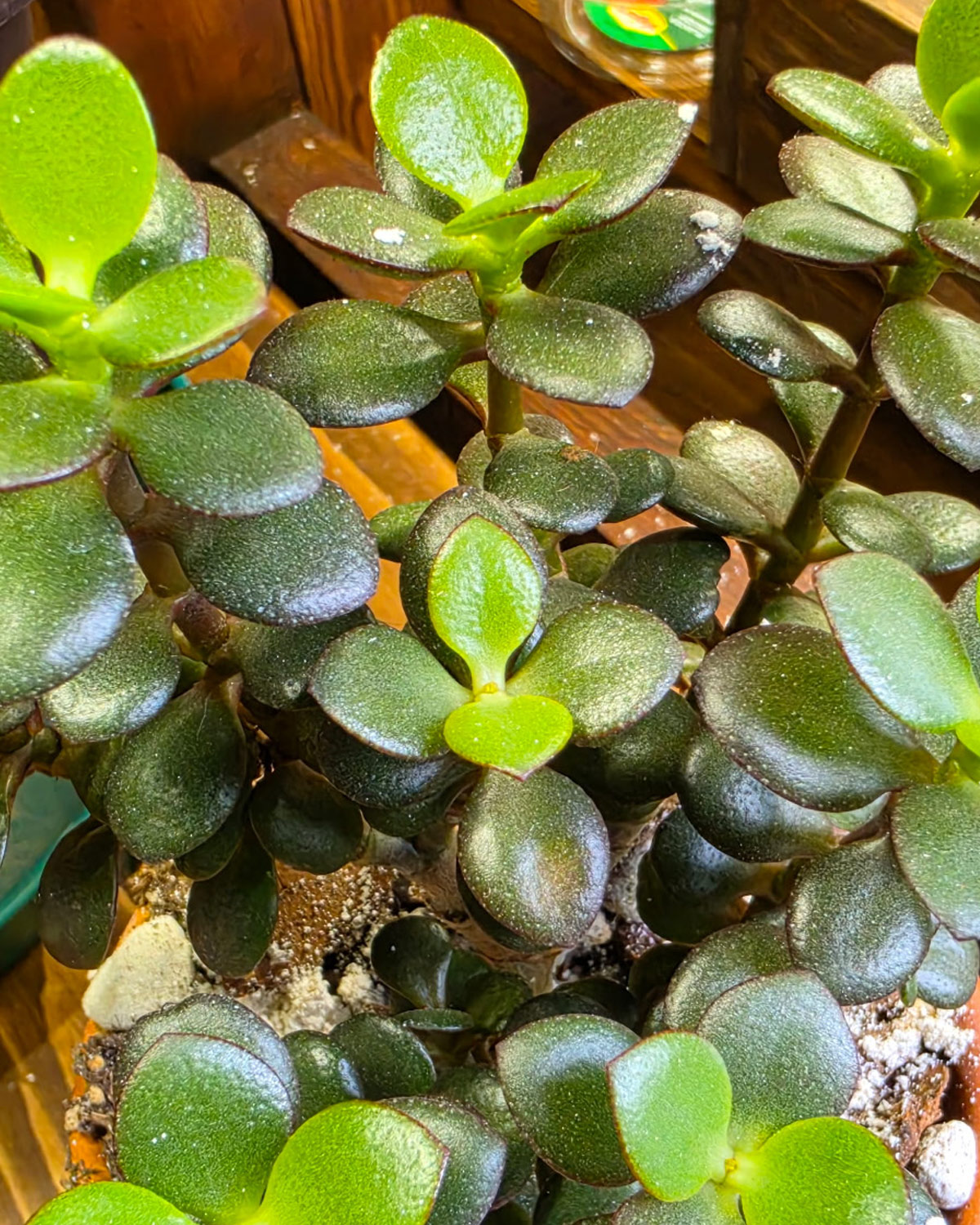
Field photograph · DC’s Indoor FlatScape
Additional photographs and dated observations will be added as the specimen develops.
THE REFERENCE LIBRARY
Keep the Field Guide
The website dossier is the living reference. The downloadable edition will bring the care information together with expanded procedures, dryland root-zone guidance, pruning techniques, propagation methods, troubleshooting references, and space for personal notes.
Jade Plant Care Guide: Edition in preparation.
As the collection grows, this dossier will continue to be updated with new photographs, observations, and related field notes.