
THE LIVING COLLECTION / SPECIES DOSSIER
Monstera deliciosa
Monstera
A closer look at the Monstera growing in DC’s Indoor FlatScape. Explore its care, root-zone conditions, propagation, and the observations that come from growing it in a real living collection.
BOTANICAL RECORD
Species Record
Botanical name: Monstera deliciosa
Common name: Monstera
Family: Araceae
Native range: Tropical Central America
Growth habit: Evergreen climbing aroid
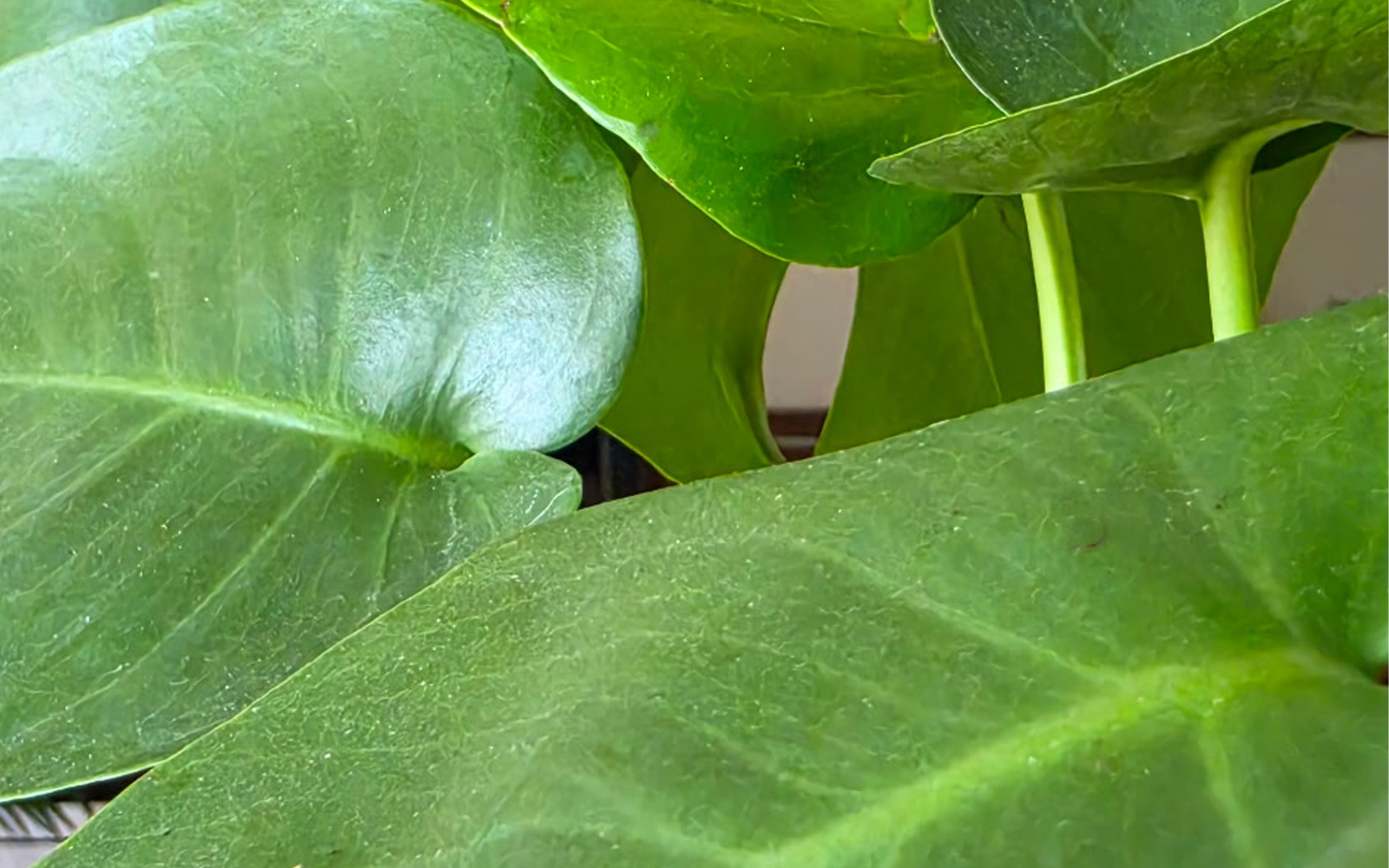
Growth characteristics: Large leaves, aerial roots, and a climbing habit. Mature leaves may develop the characteristic splits and openings known as fenestrations.
Collection status: Growing in DC’s Indoor FlatScape.
FROM DC’S COLLECTION
Specimen Notes
This record follows the Monstera growing in DC’s Indoor FlatScape. The general care information describes the species, while the observations below document what happens with this particular plant.
What DC Is Learning
The introductory FlatScape article describes the collection being transplanted into root zones selected for the way each specimen grows. DC’s Tropical Root Architecture Mix was developed to provide an open, aerated environment for tropical roots, including Monstera.
Current observations: To be updated as new growth, root development, and the plant’s response to its environment are documented.
Record status: Living record. Care decisions and observations may change as the plant grows.
GROWING CONDITIONS
Care & Environment
Light
Monstera deliciosa grows well in bright, indirect light. Some gentle direct sun can be beneficial, but plants should be acclimated gradually to stronger light. Watch the leaves and growth rather than assuming every window provides the same conditions.
Temperature & Humidity
Warm indoor conditions are generally suitable. Avoid cold drafts and prolonged exposure to temperatures below approximately 55°F. Moderate to higher humidity can support healthy growth, but good air movement and sensible watering remain important.
Climbing Support
Monstera is a climbing aroid. A suitable support can help the plant grow vertically and develop larger, more mature foliage. Aerial roots are part of its normal growth habit and do not automatically indicate a problem.
ROOT-ZONE CARE
Water & Nutrition
Watering
Water according to the condition of the root zone, not a fixed calendar. Allow the upper portion of the substrate to dry before watering again, then water thoroughly and allow excess water to drain. Pot size, substrate, light, temperature, and season all affect how quickly the plant uses water.
Substrate
Use a well-draining, aerated medium that retains some moisture without remaining waterlogged. DC’s Tropical Root Architecture Mix was developed around this principle. The exact formula belongs in the dedicated root-zone reference.
Nutrition
Provide a balanced houseplant fertilizer during active growth, following the product’s dilution guidance. Reduce feeding when growth slows. More fertilizer is not automatically better, and newly repotted plants should be allowed to settle before deciding what additional nutrition they need.
Container & Drainage
Choose a container with adequate drainage and size it to the root system. An excessively large volume of wet substrate can remain damp longer than the plant can comfortably use.
PROPAGATION
Growing New Plants
Monstera deliciosa can be propagated from stem cuttings that include a node. A leaf without a node is not sufficient to produce a new plant.
Stem Cuttings
Select a healthy stem section with at least one node. Cut with a clean tool, then place the node in clean water or a suitable moist, aerated propagation medium. Keep the cutting warm and in bright, indirect light while roots develop.
After Rooting
Once the cutting has developed an adequate root system, move it into an appropriately sized container and suitable substrate. Keep the transition gentle and watch for new growth rather than rushing fertilizer or repeated repotting.
Division
Where a container holds multiple separately rooted stems, division may be possible. Inspect the root systems first and avoid assuming that every stem is an independent plant.
OBSERVATION & TROUBLESHOOTING
What to Watch For
Yellowing Leaves
Yellowing can have several causes, including normal leaf aging, watering problems, root stress, or nutrient issues. Check the root zone and recent care history before deciding on a treatment.
Brown Edges or Tips
Consider inconsistent moisture, dry air, mineral accumulation, or other environmental stress. The pattern and progression matter more than one isolated mark.
Slow Growth
Review light, temperature, season, root condition, and nutrition. A plant growing slowly in winter may not need the same inputs as one growing actively in summer.
Pest Inspection
Inspect leaf undersides, stems, nodes, and new growth for insects, webbing, speckling, or sticky residue. Identify the problem before choosing a treatment, and keep plant treatments away from the aquarium and other sensitive organisms.
Safety
Monstera contains calcium oxalate crystals that can irritate the mouth and digestive tract if chewed or swallowed. Keep it away from pets and children who may chew plants.
THE LIVING RECORD
DC’s Field Record
General care information is only part of the story. This record follows the actual Monstera growing in DC’s Indoor FlatScape, documenting changes, observations, experiments, and the lessons that come from caring for it over time.
Current Specimen
Collection: DC’s Indoor FlatScape
Identification: Monstera deliciosa
Root-zone approach: DC’s Tropical Root Architecture Mix
Current measurements: Not yet entered.
Latest observation: To be updated from the next documented plant check.
What DC Is Learning
This space will record what the plant actually does: new leaves, root development, changes in light or watering, propagation attempts, and anything that challenges the original plan. Observations will be dated so they remain useful as the plant changes.
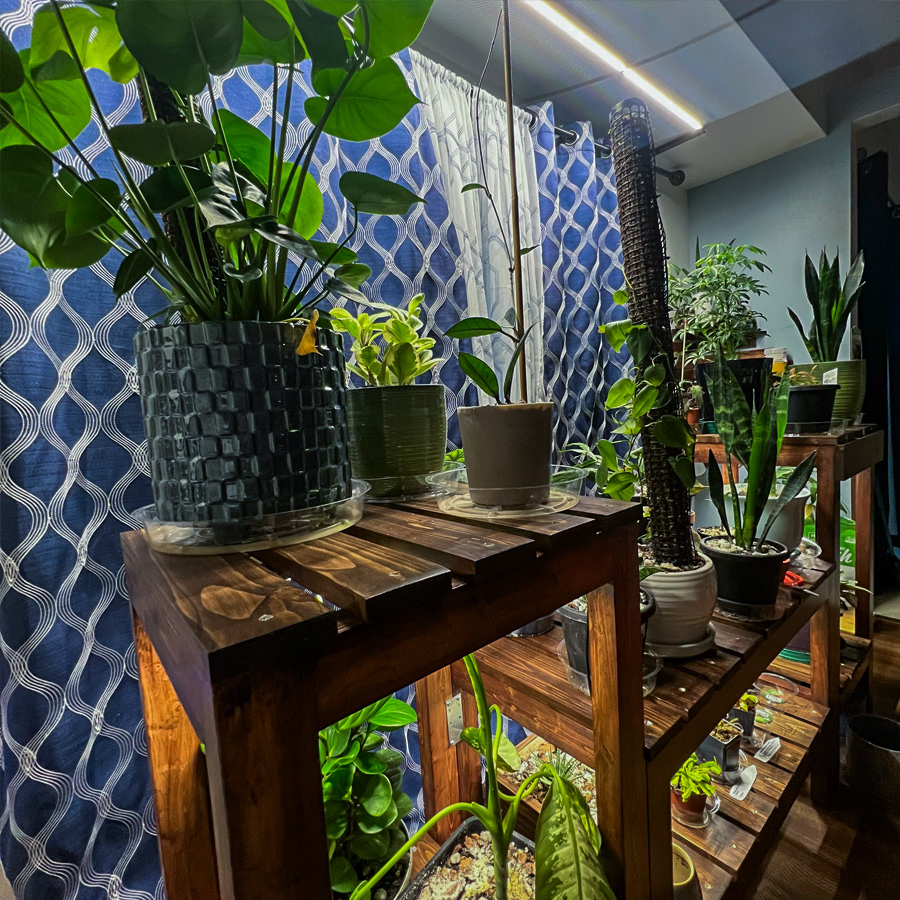
Field photograph · DC’s Indoor FlatScape
Additional photographs and dated observations will be added as the specimen develops.
THE REFERENCE LIBRARY
Keep the Field Guide
The website dossier is the living reference. The downloadable edition will bring the care information together with expanded procedures, propagation guidance, troubleshooting references, and space for personal notes.
Monstera Care Guide: Edition in preparation.
As the collection grows, this dossier will continue to be updated with new photographs, observations, and related field notes.