
THE LIVING COLLECTION / SPECIES DOSSIER
Purple Passion Plant
Gynura spp.
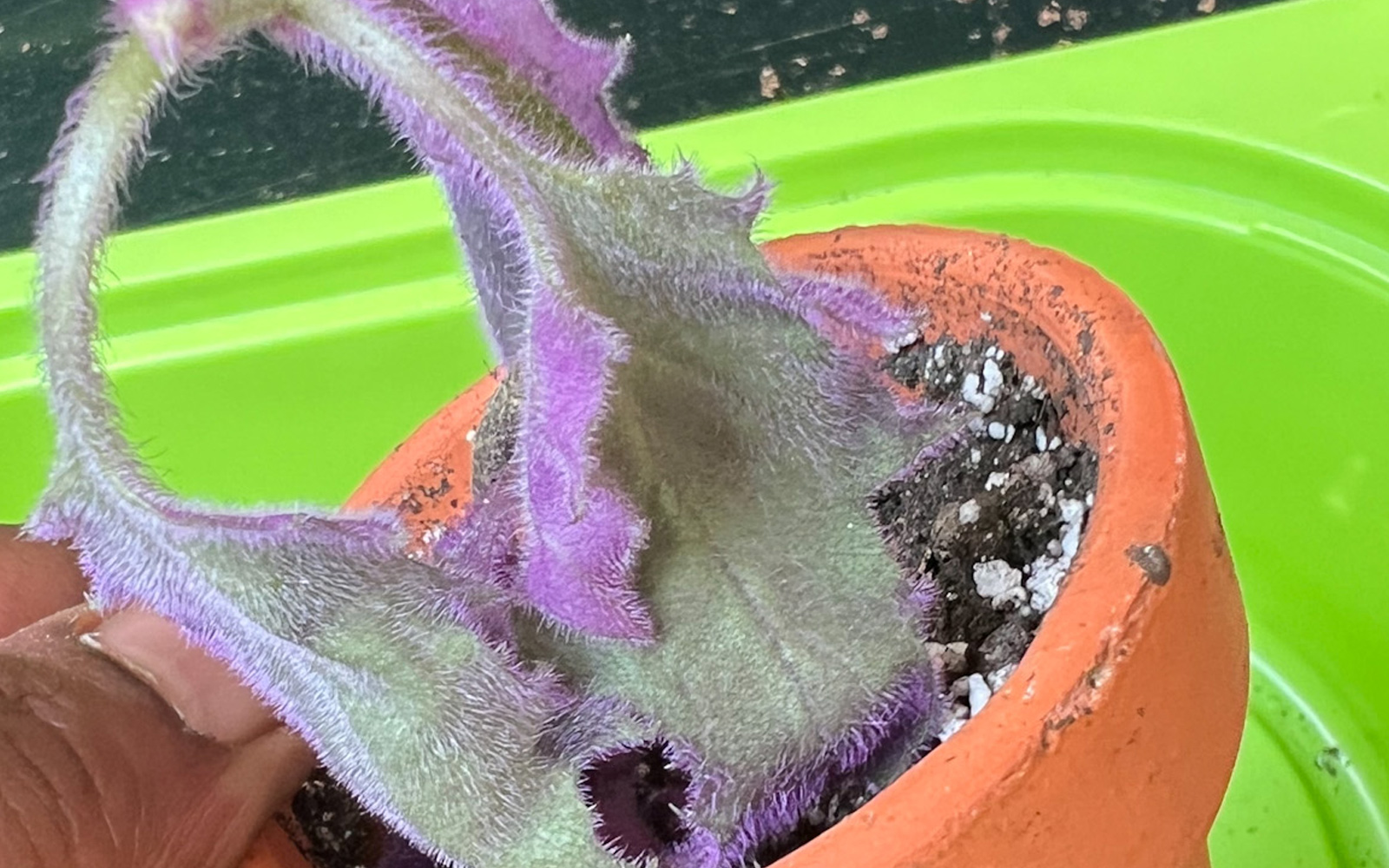
A closer look at the Purple Passion Plant growing in DC’s Indoor FlatScape. Explore its velvety purple foliage, trailing growth habit, moisture-balanced root zone, propagation, and the observations that come from growing it as part of a real living collection.
BOTANICAL RECORD
Species Record
Botanical identification: Gynura spp.
Common names: Purple Passion Plant / Purple Velvet Plant
Family: Asteraceae
Native lineage: Tropical Asian lineage; exact native range will be refined when the specimen identification is confirmed.
Growth habit: Soft-stemmed tropical perennial with upright growth that can become trailing as stems lengthen
Growth characteristics: Green foliage is covered with dense purple hairs that give the leaves and young stems their distinctive velvet-like appearance. New growth can be especially vivid, while older stems may lengthen and begin to trail.
Identification status: Genus-level working identification. Exact species or cultivar not yet confirmed.
Collection status: Growing in DC’s Indoor FlatScape.
FROM DC’S COLLECTION
Specimen Notes
This record follows the Purple Passion Plant growing in DC’s Indoor FlatScape. General care information describes the Gynura group, while the observations below document what happens with this particular specimen.
What DC Is Learning
The Purple Passion Plant makes light and growth changes easy to see. Its color, stem length, leaf spacing, and new growth can all become visual clues to how the plant is responding to its environment.
Current observations: To be updated from the next documented Purple Passion Plant check.
Record status: Living record. Care decisions and identification may change as the plant grows and additional information becomes available.
GROWING CONDITIONS
Care & Environment
Light
Purple Passion Plants generally perform well in bright, indirect light. Appropriate light can support compact growth and strong purple coloration. Lower light may produce longer stems, wider spacing between leaves, and less intense color.
Temperature & Humidity
Warm, stable indoor temperatures are generally suitable. Protect the plant from cold drafts and prolonged chilling. Average to moderate household humidity can work well when moisture and airflow are properly managed.
Growth & Pruning
Young stems may begin upright and become trailing as they lengthen. Pinching or selective pruning can encourage branching and help maintain a fuller plant rather than allowing a few stems to dominate the shape.
Velvety Foliage
The leaf surface is covered with fine hairs that create the plant’s purple velvet appearance. Handle the foliage gently and avoid making frequent leaf wetting the primary method of increasing humidity.
ROOT-ZONE CARE
Water & Nutrition
Watering
Maintain a moderately consistent moisture level without keeping the root zone continuously saturated. Allow the upper portion of the substrate to begin drying before watering thoroughly, then allow excess water to drain.
Substrate
Use an aerated, moisture-balanced tropical medium that retains enough water for steady growth while still preserving oxygen around the roots. The goal is moisture without stagnation.
Nutrition
During active growth, a balanced houseplant fertilizer can be used at an appropriate dilution according to product directions and plant response. Reduce feeding when growth slows.
Container & Drainage
Use a container with reliable drainage and size it appropriately to the root system. Excess substrate around a modest root system can remain wet significantly longer than expected.
PROPAGATION
Growing New Plants
Purple Passion Plants can be propagated from healthy stem cuttings containing viable nodes.
Stem Cuttings
Select a healthy section of stem and make the cut with a clean tool. Keep at least one viable node on the cutting and remove lower leaves that would otherwise remain buried or submerged.
Rooting
Cuttings can be rooted in clean water or an appropriate moist, aerated propagation medium. Provide warmth and bright indirect light while roots develop.
After Rooting
Once a useful root system has formed, move the cutting into an appropriately sized container with a moisture-balanced tropical substrate. Keep the transition gentle while the new roots establish.
Creating a Fuller Plant
Multiple rooted cuttings can be returned to the same container to build a denser plant. Pinching growing tips after establishment can also encourage additional branching.
OBSERVATION & TROUBLESHOOTING
What to Watch For
Fading Purple Color
Reduced coloration can be associated with limited light, leaf age, or changing growing conditions. Compare new growth with older foliage before making major adjustments.
Leggy Growth
Long stems and wide spaces between leaves can indicate insufficient light or a plant that would benefit from selective pruning. Review the growing environment before cutting the plant back aggressively.
Wilting
Wilting can result from excessive dryness, damaged roots, prolonged saturation, temperature stress, or other environmental changes. Check the root zone before automatically adding water.
Yellowing Leaves
Yellowing may be associated with normal aging, excessive moisture, root stress, nutrient imbalance, or environmental changes. Look for a pattern across the plant rather than diagnosing from one leaf.
Brown or Crispy Edges
Consider inconsistent moisture, dry air, fertilizer accumulation, mineral buildup, physical damage, or root stress.
Pest Inspection
Inspect leaf undersides, stems, nodes, and new growth for mites, mealybugs, aphids, or other pests. Identify the problem before selecting a treatment.
Safety
The exact species identification for this specimen has not yet been confirmed. Treat the plant as non-edible and verify any pet- or child-safety guidance against the final botanical identification before publishing a species-specific toxicity claim.
THE LIVING RECORD
DC’s Field Record
This record follows the actual Purple Passion Plant growing in DC’s Indoor FlatScape. It will document color, new growth, stem development, pruning response, propagation, root behavior, environmental changes, and the lessons that come from observing the plant over time.
Current Specimen
Collection: DC’s Indoor FlatScape
Identification: Gynura spp. — working ID
Root-zone approach: DC’s Moisture Balanced Tropical Root Matrix
Exact species or cultivar: Not yet confirmed.
Current measurements: Not yet entered.
Latest observation: To be updated from the next documented Purple Passion Plant check.
What DC Is Learning
This space will record what the plant actually does: changes in purple coloration, leaf spacing, stem extension, branching, pruning response, propagation, root behavior, and responses to light and moisture. Observations will be dated so they remain useful as the plant changes.
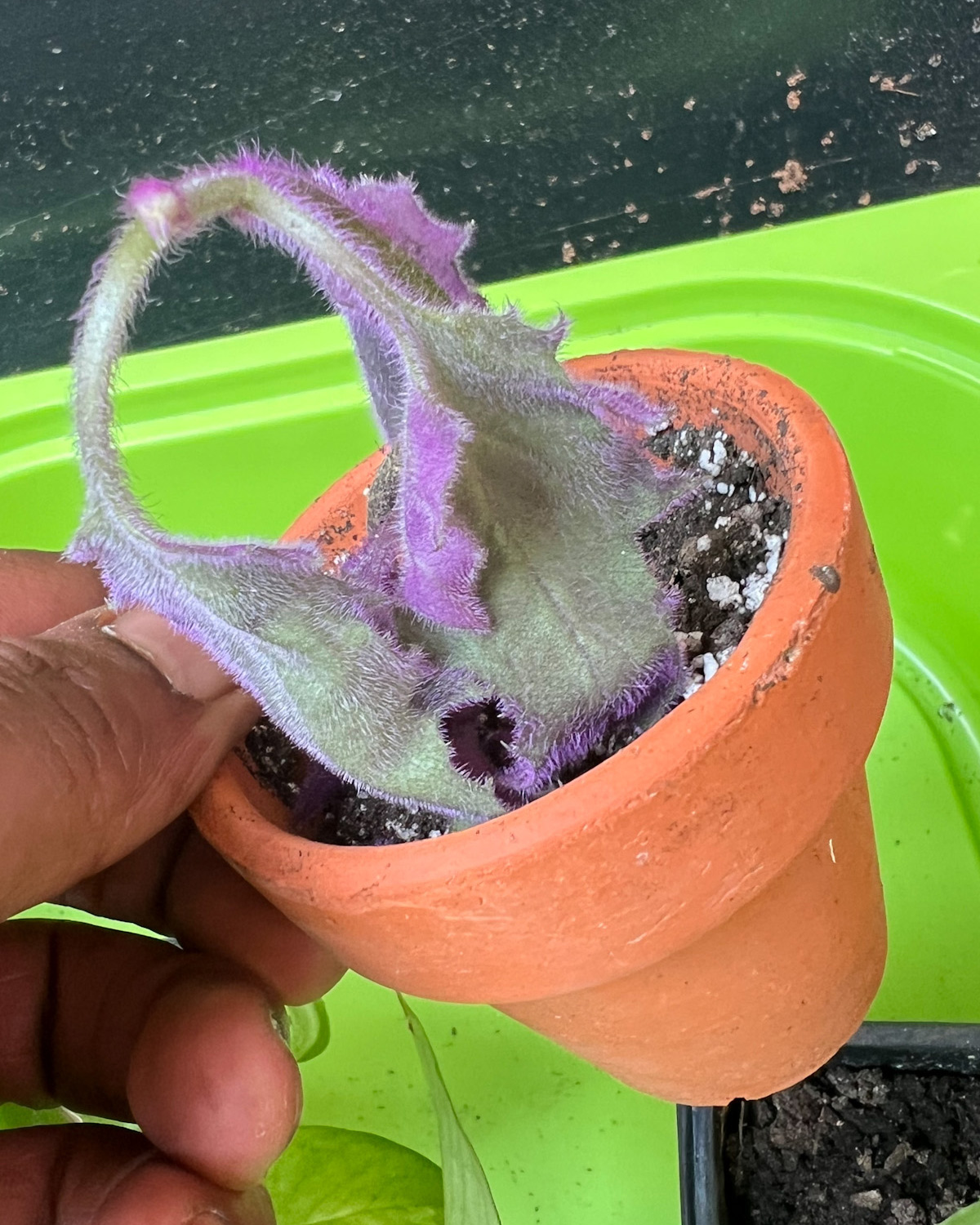
Field photograph · DC’s Indoor FlatScape
Additional photographs and dated observations will be added as the specimen develops.
THE REFERENCE LIBRARY
Keep the Field Guide
The website dossier is the living reference. The downloadable edition will bring the care information together with expanded procedures, pruning guidance, propagation techniques, troubleshooting references, and space for personal notes.
Purple Passion Plant Care Guide: Edition in preparation.
As the collection grows, this dossier will continue to be updated with new photographs, observations, and related field notes.