
THE LIVING COLLECTION / SPECIES DOSSIER
Zebra Haworthia
Haworthiopsis sp.
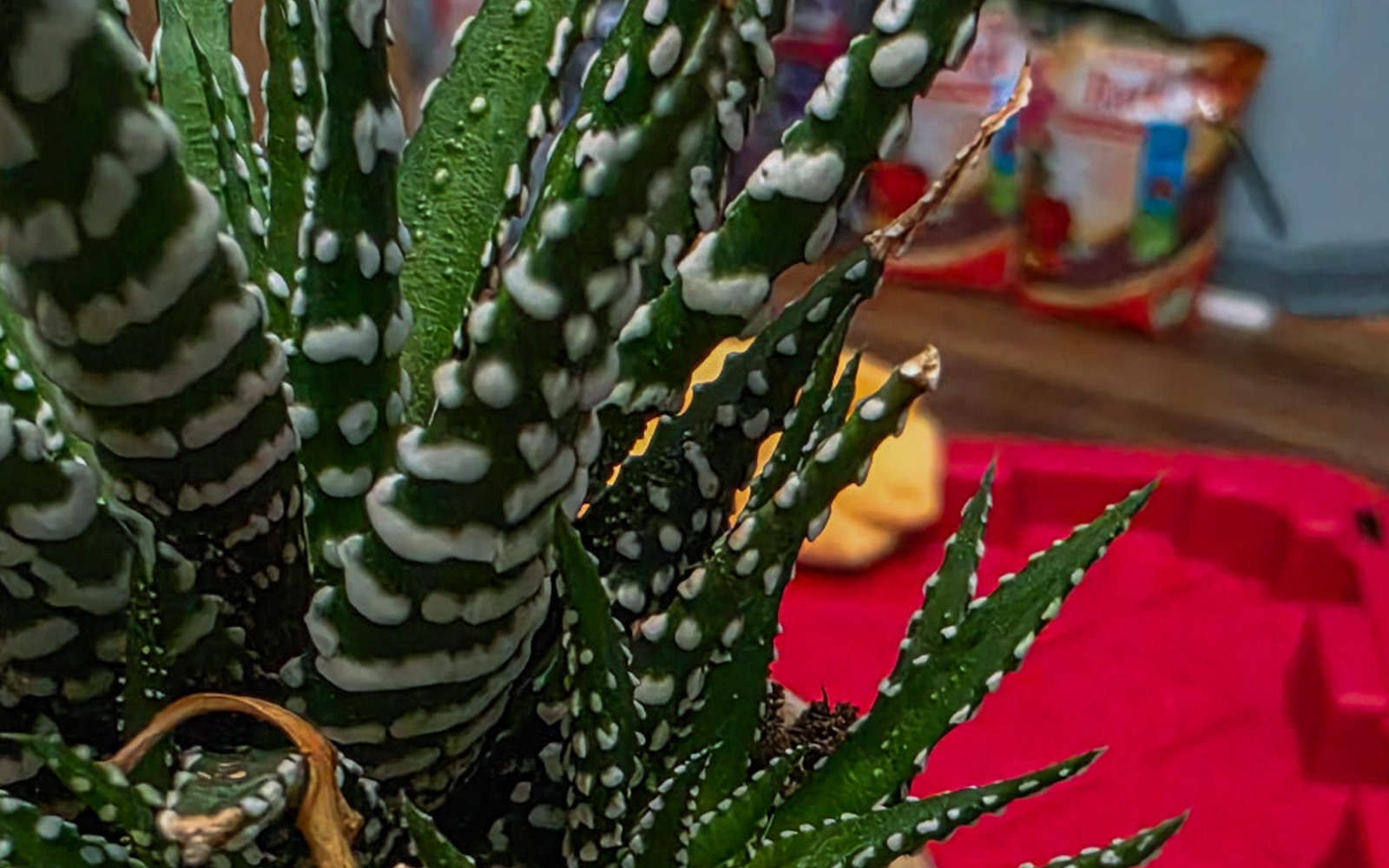
A closer look at the Zebra Haworthia growing in DC’s Indoor FlatScape. Explore its compact rosette growth, textured foliage, dryland root zone, propagation, and the observations that come from growing it as part of a real living collection.
BOTANICAL RECORD
Species Record
Botanical identification: Haworthiopsis sp. — working ID
Common name: Zebra Haworthia
Formerly classified within: Haworthia
Family: Asphodelaceae
Native lineage: Southern African succulent lineage
Growth habit: Compact rosette-forming succulent perennial
Growth characteristics: Thick pointed leaves form compact rosettes and may display raised pale bands or tubercles that create the striped appearance behind the common name. Established plants can gradually form clusters through offsets.
Identification status: Genus-level working identification. Exact species or cultivar not yet confirmed.
Collection status: Growing in DC’s Indoor FlatScape.
FROM DC’S COLLECTION
Specimen Notes
This record follows the Zebra Haworthia growing in DC’s Indoor FlatScape. General care information describes the Haworthiopsis group conservatively, while the observations below document what happens with this particular specimen.
What DC Is Learning
Zebra Haworthia shows that not every succulent needs the same intensity of light or the same growing strategy. Its compact form, firm leaves, and slow growth make subtle changes in color, spacing, and leaf firmness especially useful when reading the plant.
Current observations: To be updated from the next documented Zebra Haworthia check.
Identification priority: Compare the specimen’s leaf markings, inner leaf surfaces, rosette structure, and original plant label before assigning an exact species.
Record status: Living record. Identification and care decisions may change as additional evidence becomes available.
GROWING CONDITIONS
Care & Environment
Light
Zebra Haworthias generally perform well in bright, indirect light and can tolerate some gentler direct light. Extremely intense sun can cause stress or discoloration, particularly when a plant has been grown under softer indoor conditions.
Temperature & Humidity
Normal warm indoor temperatures are generally suitable. Protect the plant from prolonged cold and especially from cold, wet root conditions. Average household humidity is usually sufficient.
Rosette Growth
New leaves emerge from the center while older leaves remain around the outside of the rosette. Growth is typically compact and relatively slow compared with many tropical foliage plants.
Offsets
Established plants may produce smaller rosettes around the base. These offsets can gradually create a clustered colony and may eventually provide material for propagation.
ROOT-ZONE CARE
Water & Nutrition
Watering
Allow the root zone to dry substantially between waterings. When water is needed, water thoroughly and allow excess moisture to drain. Avoid keeping the plant continuously damp.
Substrate
Use a fast-draining, highly aerated dryland substrate. Coarse and mineral components can help preserve oxygen around the roots and reduce the amount of time the root zone remains wet.
Nutrition
Feed lightly during active growth with an appropriate balanced fertilizer. Zebra Haworthias do not require aggressive feeding, and excessive fertilizer should not be used to force faster growth.
Container & Drainage
Use a container with reliable drainage and size it appropriately to the root system. Avoid surrounding a compact root mass with a large volume of moisture-retentive substrate.
PROPAGATION
Growing New Plants
Zebra Haworthias are commonly propagated by separating offsets produced around the parent rosette.
Offsets
Allow an offset to develop enough size and root structure to support itself before separating it from the parent plant.
Separation
During repotting, gently expose the connection between the parent plant and offset. Use a clean tool if separation cannot be completed without tearing healthy tissue.
Drying After Separation
If fresh wounds are created during division, allow damaged tissue time to dry before exposing the new division to prolonged moisture.
After Potting
Place the separated offset into an appropriately sized container with a fast-draining dryland substrate. Avoid keeping newly disturbed roots continuously wet while the plant establishes.
Seed
Seed propagation is possible but is generally slower and less convenient for a small indoor collection than separating established offsets.
OBSERVATION & TROUBLESHOOTING
What to Watch For
Soft or Translucent Leaves
Soft, collapsing, or translucent tissue can be associated with prolonged excess moisture, cold damage, or root problems. Check the root zone before adding more water.
Wrinkled or Thin Leaves
Leaves may become less firm during extended dryness, but damaged roots can produce a similar appearance by limiting water uptake. Consider both substrate moisture and root condition.
Stretching
An increasingly open rosette or unusually elongated leaves can be associated with insufficient light. Compare new growth with older growth and review the plant’s placement.
Brown or Dry Lower Leaves
Older outer leaves naturally decline as the rosette develops. Rapid or widespread deterioration should prompt a review of moisture, temperature, and root health.
Sun Stress
Sudden exposure to intense direct sun can produce bleaching, reddish or brown stress coloration, or damaged tissue. Increase stronger light gradually.
Root Stress
A dryland plant can still wilt when roots are damaged. Avoid responding to every change in leaf firmness by immediately adding water.
Pest Inspection
Inspect the rosette center, leaf bases, undersides, offsets, and soil line for mealybugs, scale, mites, or other pests. Identify the problem before selecting a treatment.
THE LIVING RECORD
DC’s Field Record
This record follows the actual Zebra Haworthia growing in DC’s Indoor FlatScape. It will document rosette development, offset production, leaf firmness, root behavior, propagation, watering response, identification work, environmental changes, and the lessons that come from observing the plant over time.
Current Specimen
Collection: DC’s Indoor FlatScape
Identification: Haworthiopsis sp. — working ID
Exact species or cultivar: Not yet confirmed.
Root-zone approach: Fast-draining, aerated dryland root zone
Current measurements: Not yet entered.
Latest observation: To be updated from the next documented Zebra Haworthia check.
What DC Is Learning
This space will record what the plant actually does: rosette density, new leaf development, offset production, leaf firmness, coloration, root behavior, propagation response, watering response, and changes associated with light. Observations will be dated so they remain useful as the specimen develops and its identity becomes clearer.
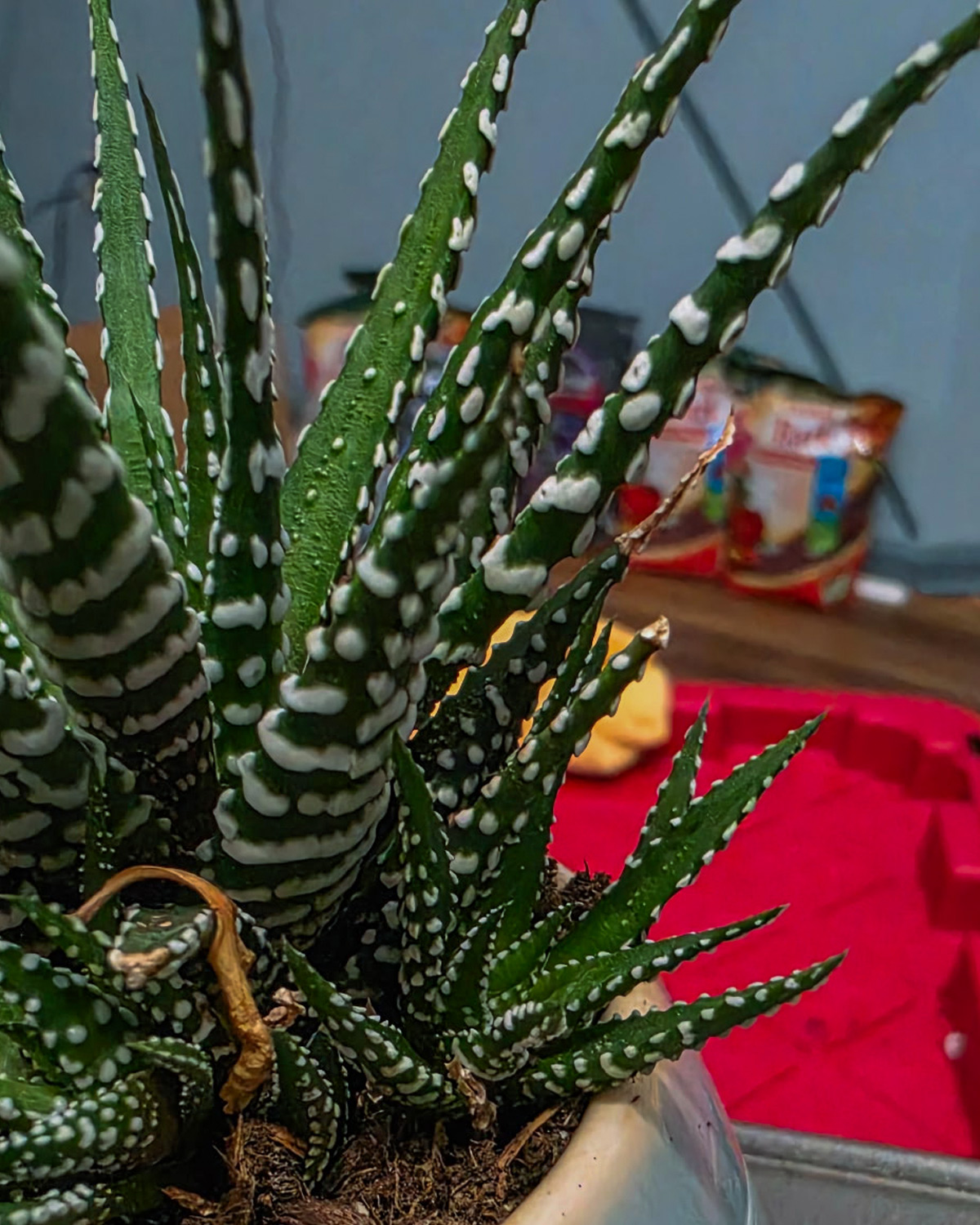
Field photograph · DC’s Indoor FlatScape
Additional photographs and dated observations will be added as the specimen develops.
THE REFERENCE LIBRARY
Keep the Field Guide
The website dossier is the living reference. The downloadable edition will bring the care information together with expanded procedures, dryland root-zone guidance, offset propagation techniques, troubleshooting references, identification notes, and space for personal observations.
Zebra Haworthia Care Guide: Edition in preparation.
Once the exact species is confirmed, the guide can be refined with identification-specific information.
As the collection grows, this dossier will continue to be updated with new photographs, observations, and related field notes.